
Osmosis moves water through cell walls in food to balance salt levels. In cooking, it helps control moisture and add flavor. You see it in brining, salting, and pickling. This guide explains osmosis clearly. It includes a basic recipe to try it yourself. I remember my first brining attempt on a dry chicken breast. It turned juicy after soaking in salt water. That changed how I cook meat.
What Is Osmosis?
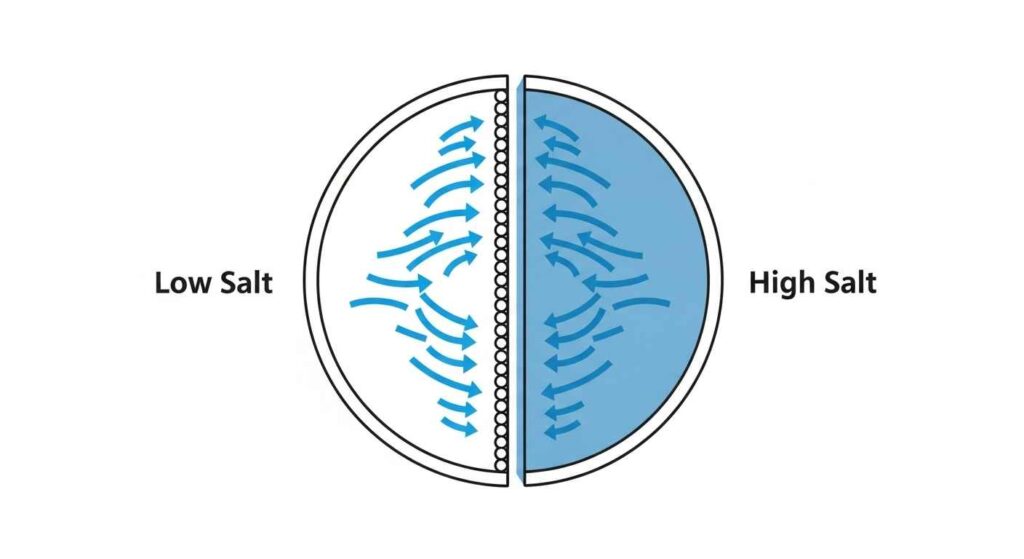
Osmosis is water moving across a thin barrier. The barrier is like a cell wall in food. Water goes from low salt areas to high salt areas. This balances things out. No energy is needed. It happens on its own.
Cells in fruits, vegetables, and meat have these barriers. Water flows to even salt amounts. Diffusion is different. It moves salt or other items from high to low amounts. Osmosis focuses on water.
How Does Osmosis Work in Cooking?
Add salt to food. Salt pulls water out at first. Water moves to dilute the salt. Later, salt enters cells. This changes texture. Meat holds more water after.
For vegetables, salt removes extra water. This cuts bitterness. It makes them crisp. In boiling water, salt helps season from inside.
Heat speeds osmosis. But it works cold too. Like in pickling.
Common Uses of Osmosis in the Kitchen
Osmosis shows up in many tasks.
Salting Vegetables
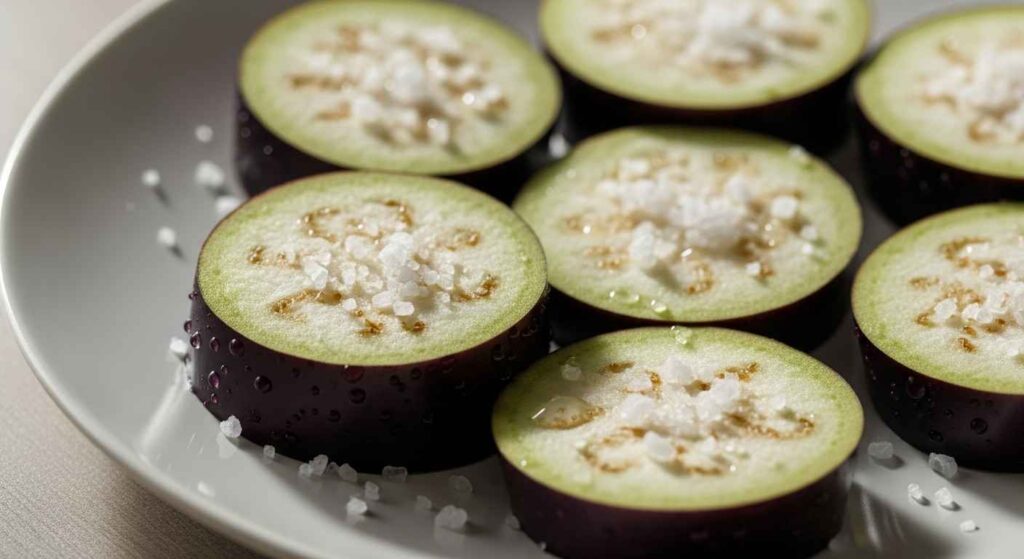
Salt draws water from veggies. This happens before frying. It leads to crisp results. For eggplant, it lowers bitterness. Rinse after to remove extra salt.
Brining Meat
Soak meat in salt water. Water leaves first. Then salt goes in. Meat stays moist when cooked. Good for chicken or pork.
Pickling and Curing
High salt or sugar pulls water out. This preserves food. Bacteria can’t grow well. Quick pickles use this.
Reviving Wilted Greens
Soak lettuce in cold water. Water enters cells. Leaves crisp up.
Marinating
Salt in marinades helps flavors enter food.
People often ask: Does salt boil water faster? No, small amounts don’t. Why add salt to rice? It seasons through osmosis. Related ideas include osmotic drying for fruits.
Link to our how to store vegetables fresh for more tips.
Easy Brined Chicken Breast Recipe
Try osmosis with this simple brine. It makes chicken juicy.
Prep Time: 10 minutes
Cook Time: 20 minutes
Total Time: 30 minutes (plus 1 hour brining)
Servings: 4
Ingredients
- 4 boneless chicken breasts (about 1 pound)
- 4 cups water
- 1/4 cup salt
- 2 tablespoons sugar
- 1 teaspoon black pepper
- 2 garlic cloves, smashed
- 1 tablespoon olive oil (for cooking)
Instructions
- Mix water, salt, sugar, pepper, and garlic in a bowl. Stir until salt and sugar dissolve.
- Place chicken in a zip-top bag. Pour brine over it. Seal bag.
- Put in fridge for 1 hour.
- Remove chicken. Rinse under cold water. Pat dry with paper towels.
- Heat oil in a pan over medium heat.
- Cook chicken 8-10 minutes per side. Check inside reaches 165°F.
- Rest 5 minutes before slicing.
Tips and Variations
Dry surface after brining for better browning. Add herbs like thyme to brine for flavor. For quicker brine, use warm water to dissolve salt, then cool before adding chicken. Try this method on our sheet pan chicken fajitas.
Substitution Ideas
Use turkey breasts instead of chicken. Swap sugar with honey. For low-sodium, cut salt in half and brine longer.
Storage or Make-Ahead Tips
Brine chicken up to 24 hours ahead. Store cooked chicken in fridge up to 3 days. Freeze brined raw chicken up to 3 months. Thaw in fridge before cooking. See our how long do leftovers last in fridge for more.
Serving Suggestions
Slice over salad. Pair with roasted potatoes from our air fryer roasted potatoes recipe. Add sauce like our 10-minute cajun cream sauce.

For more science, check what is umami savory taste foods recipe. External link: Learn more on brining at Rouxbe.