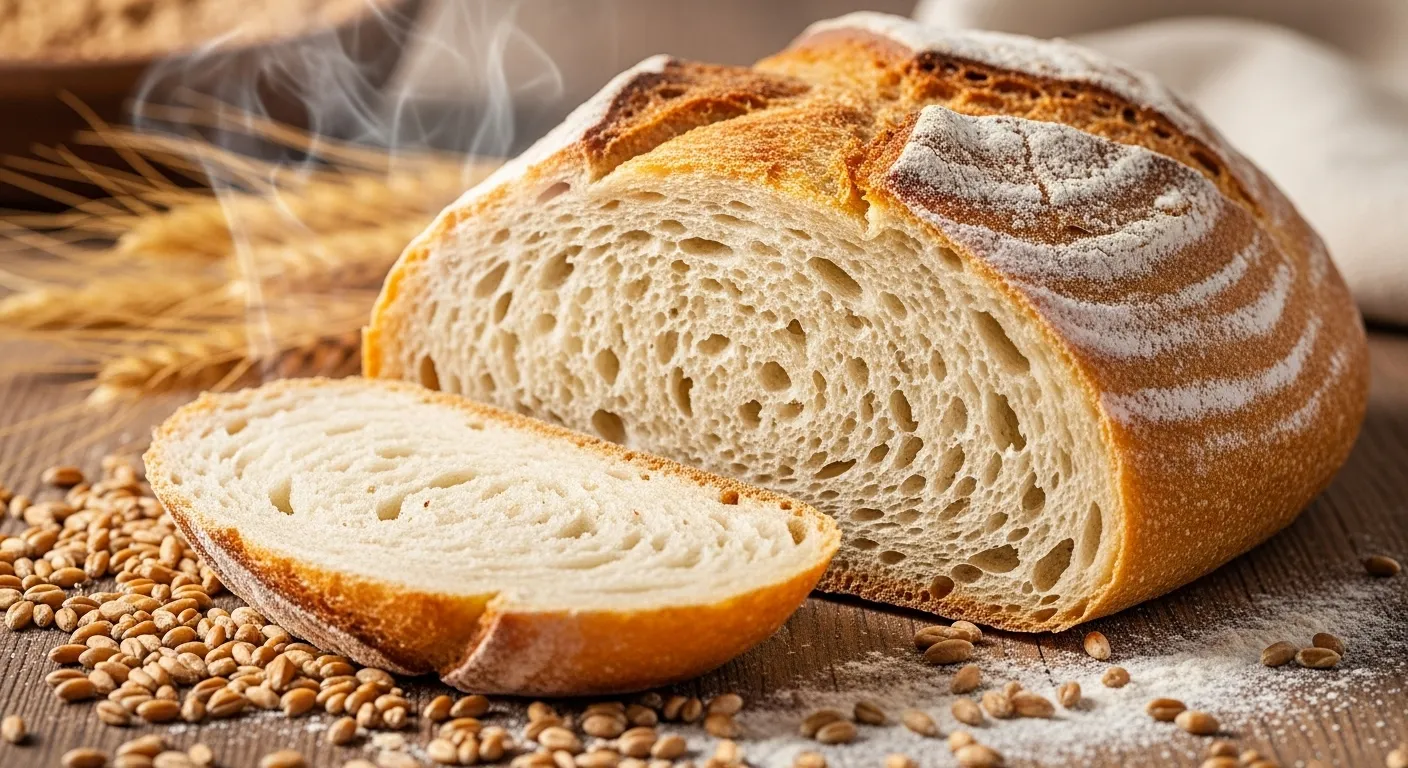
Gluten is a protein found in wheat, barley, and rye. It forms when you mix flour with water. This creates a stretchy network. The network traps air. It helps baked goods rise and hold shape. In bread, gluten gives chew. In cakes, too much gluten makes them tough. Control gluten for better results.
I recall my first loaf of bread as a kid. I mixed the dough fast. It came out dense like a brick. Later, I found out weak gluten caused it. That moment taught me gluten matters.
What Is Gluten?
Gluten comes from two proteins. They are glutenin and gliadin. These sit in flour. Water joins them. This makes gluten. Gluten acts like glue. It binds parts of dough.
Gluten shows in grains like wheat. Rye and barley have it too. Oats may have traces.
- Gluten gives structure.
- It holds gas from yeast.
- This leads to light texture.
For more on food science, check our post on why salt makes food taste better.
How Does Gluten Form?
Mix flour with water. Proteins unwind. They link up. This builds a web.
Kneading helps. It aligns proteins. Rest lets them bond.
Factors play a part:
- Flour type: Bread flour has high protein.
- Water amount: More water means stronger bonds.
- Time: Longer mix builds more gluten.
How Gluten Affects Baking
Gluten shapes results. It sets texture.
Gluten in Bread
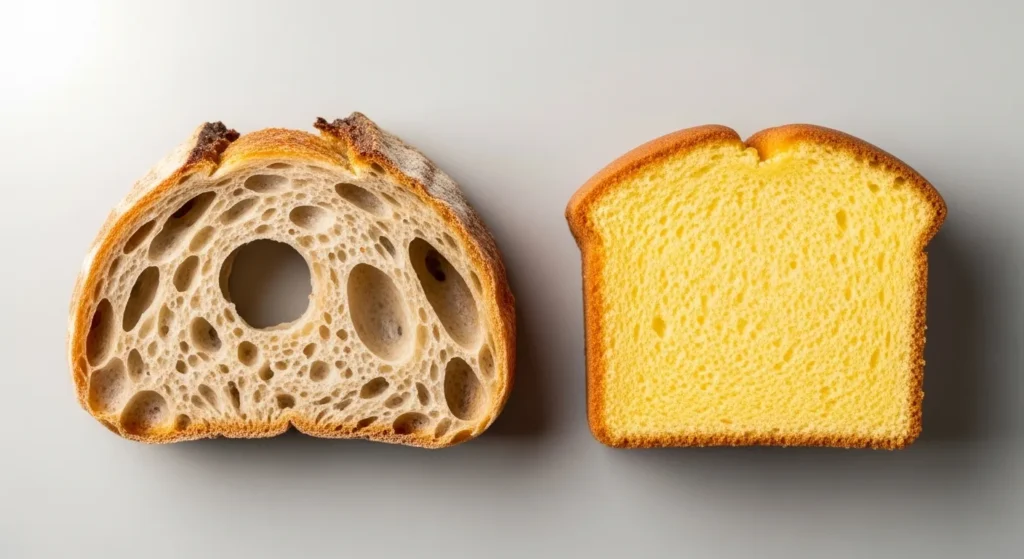
Strong gluten traps bubbles. Bread rises high. It gets chewy. Knead well for this.
Gluten in Cakes and Muffins
Low gluten keeps them soft. Mix just enough. Overmix turns them rubbery.
Gluten in Pastry
Medium gluten works. It lets dough roll out. But not too much, or it shrinks.
For pie ideas, see our flaky pie crust recipe.
High protein flour suits bread. Low suits cakes.
Common Questions About Gluten
Is gluten bad? No, for most people. Some have celiac disease. They avoid it.
What foods have gluten? Bread, pasta, cereal.
How to go gluten-free? Use rice or almond flour. Add binders like xanthan gum.
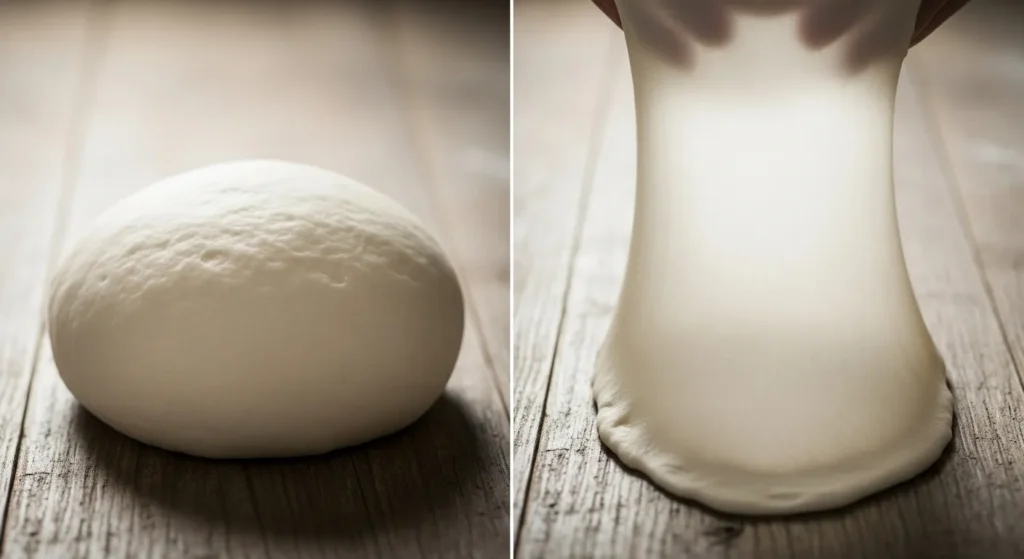
Why does dough stretch? Gluten makes it elastic.
For umami in gluten-free meals, try our what is umami savory taste foods recipe.
Gluten-Free Baking Basics
Skip wheat. Use mixes or alternatives. Bind with eggs or gums. Results differ. Texture may crumble.
Test with our easy flourless peanut butter oatmeal cookies recipe.
Try It: Basic No-Knead Bread Recipe
This recipe shows gluten at work. Mix and rest. See dough stretch.
Prep time: 10 minutes
Cook time: 45 minutes
Total time: 3 hours 55 minutes (includes rise)
Servings: 8 slices (1 loaf)
Ingredients
- 3 cups all-purpose flour
- 1/4 teaspoon instant yeast
- 1 teaspoon salt
- 1 1/2 cups warm water
Instructions
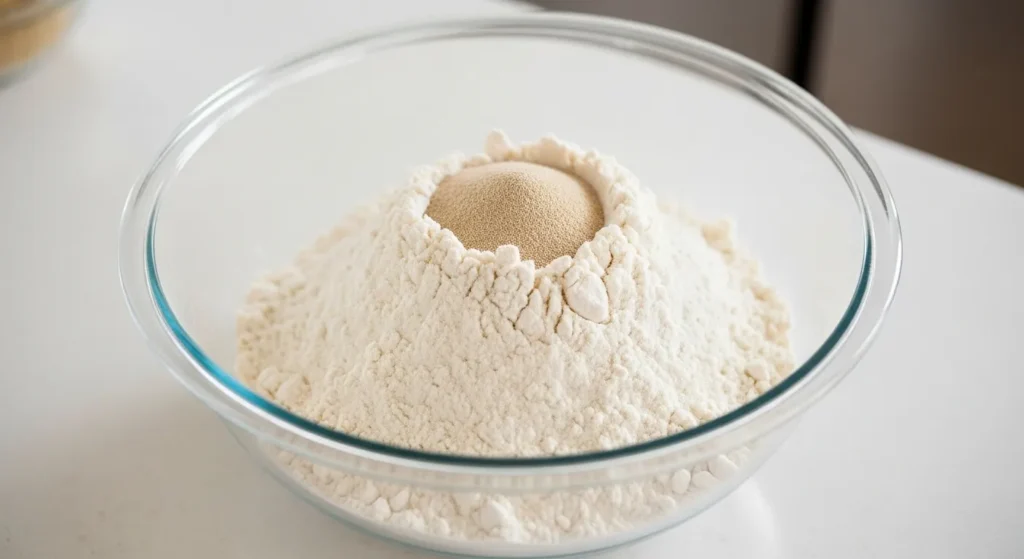
- Mix flour, yeast, and salt in a bowl.
- Add water. Stir until shaggy dough forms.
- Cover bowl. Let rest 3 hours at room temperature.
- Preheat oven to 450°F. Heat Dutch oven inside.
- Shape dough into ball on floured surface.
- Place in hot pot. Cover and bake 30 minutes.
- Uncover. Bake 15 more minutes until golden.
- Cool on rack.
Tips and Variations
Rest dough longer for better flavor. Add seeds on top before baking. Use whole wheat flour for nutty taste. But it makes denser loaf.
Substitution Ideas
Swap all-purpose for bread flour for more chew. Use honey in water for sweet note.
Storage or Make-Ahead Tips
Store loaf in paper bag at room temp for 2 days. Freeze slices up to 1 month. Make dough ahead. Refrigerate up to 24 hours before baking.
For more storage, read best bread storage tips for freshness.
Serving Suggestions
Slice and toast. Top with butter. Pair with soup. Use for sandwiches.
Try with our best chili recipe.
Gluten knowledge improves baking. Use this guide next time you bake.