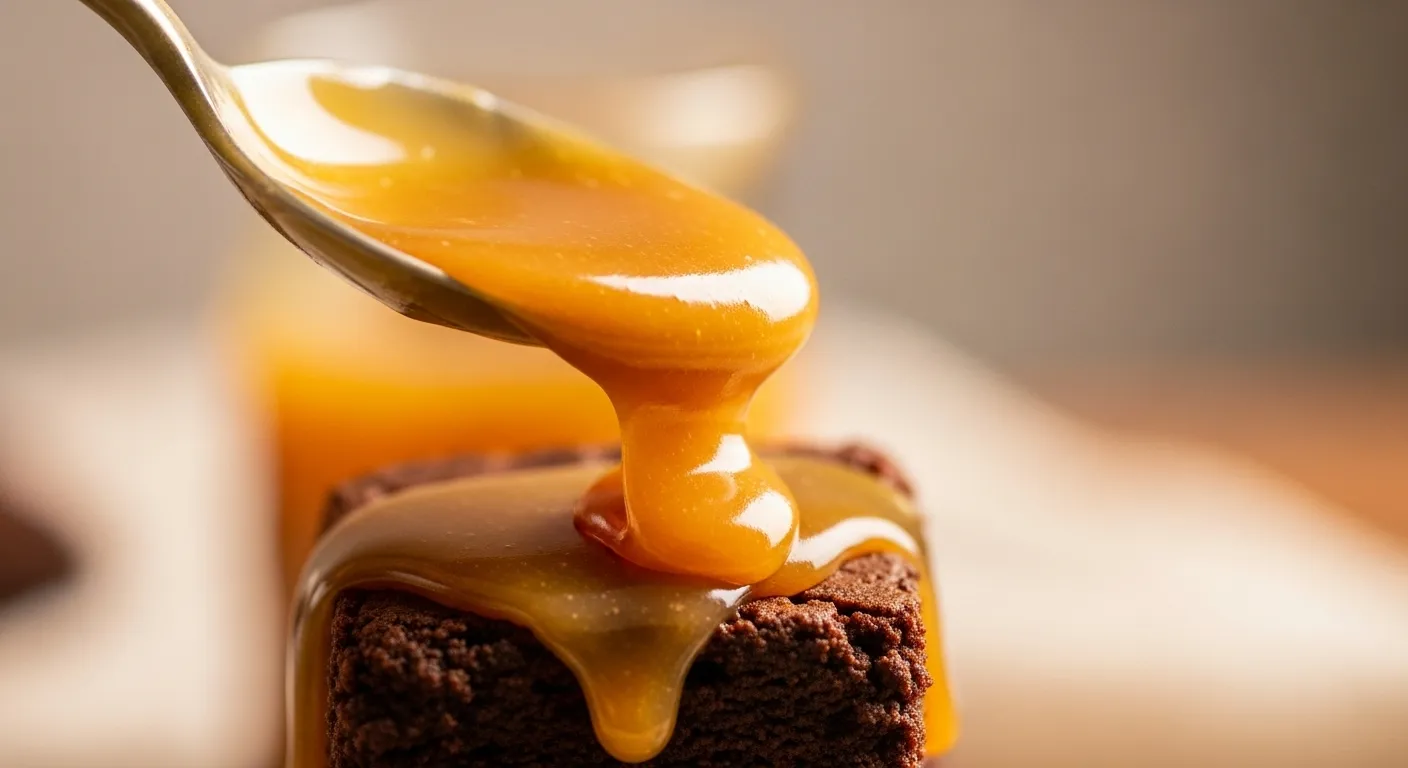
Caramelization creates the rich, golden-brown flavor we love in desserts. It’s a chemical process that transforms sugar into a complex, delicious mixture. This post explains how caramelization works and shares a simple caramel sauce recipe you can make in 20 minutes. Perfect for drizzling over no-bake cheesecake in a jar or fudgy brownies.
- Prep Time: 5 minutes
- Cook Time: 15 minutes
- Total Time: 20 minutes
- Servings: 8 (about 1 cup of caramel sauce)
What Is Caramelization?
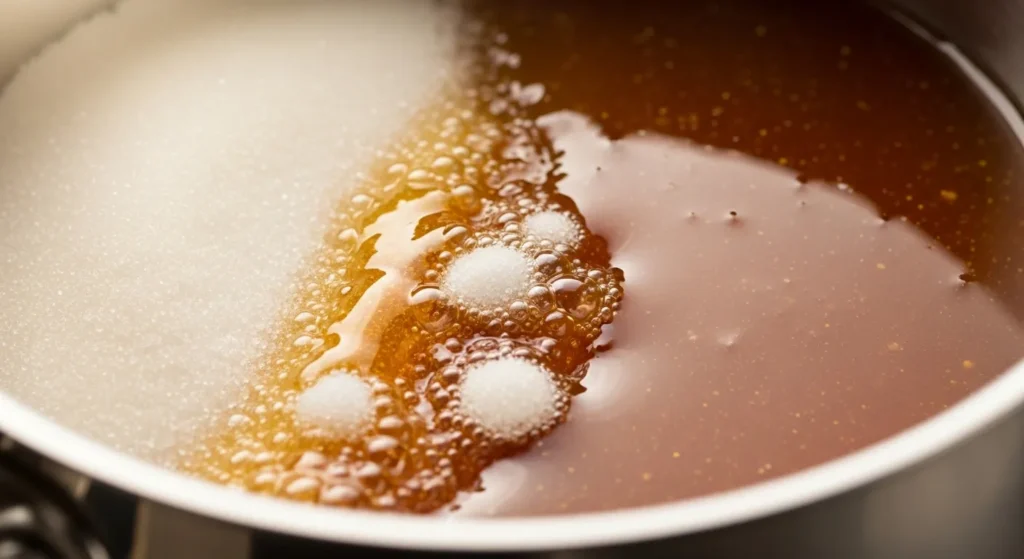
Caramelization happens when sugar is heated to a high temperature, usually around 338°F (170°C). The sugar molecules break apart or combine, forming new compounds. These compounds create the brown color and nutty, sweet flavor of caramel. Any sugar can caramelize, but sucrose (table sugar) is most common. The process needs heat and no water to work properly.
- Key Fact: Caramelization is different from the Maillard reaction, which involves sugars and proteins. Learn more about the science of umami and savory flavors for comparison.
- Temperature Matters: Too much heat can burn the sugar, making it bitter. Too little heat won’t start the reaction.
Why Does Caramel Taste So Good?
Caramel’s flavor comes from small, volatile molecules like furan, maltol, and diacetyl. These give caramel its sweet, buttery, and slightly nutty taste. Larger molecules, like caramelan and caramelin, create the sticky texture and deep color. The balance of heat and time affects the taste. Too long, and it turns bitter. Just right, and it’s a perfect blend of sweet and complex.
How Does Caramelization Work Chemically?
When sugar is heated, it melts and breaks down. Here’s what happens:
- Melting: Sugar turns from solid to liquid at around 320°F (160°C).
- Decomposition: At 338°F (170°C), sugar molecules split into smaller pieces or combine into larger ones.
- New Compounds Form: These reactions create brown pigments and aroma molecules.
- Flavor Development: The new compounds give caramel its unique taste and color.
For a deeper look at how heat changes food, check out why sauces thicken when cooking.
Caramel vs. Caramels: What’s the Difference?
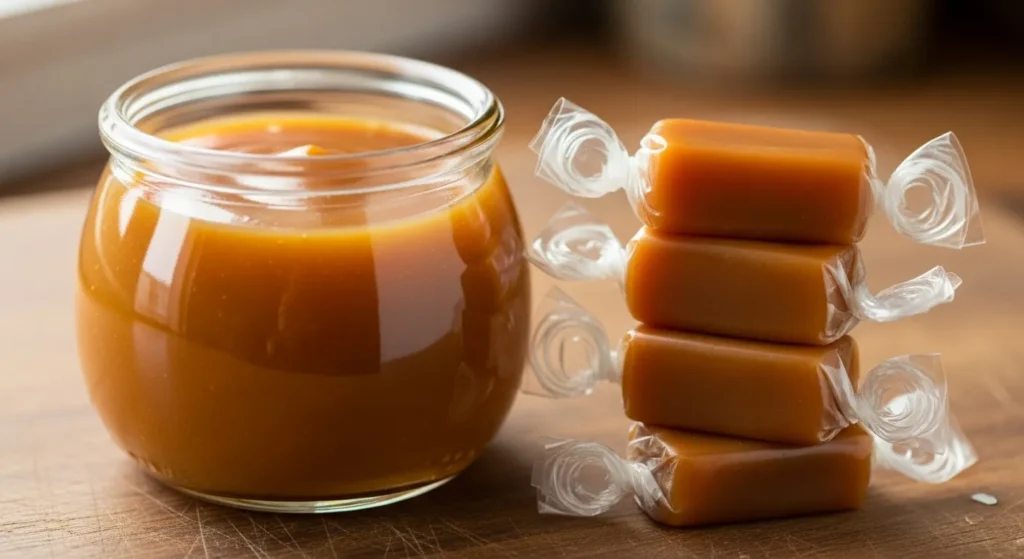
Caramelization is the process of heating sugar alone. Caramels, the chewy candies, are made by mixing caramelized sugar with cream, butter, and sometimes corn syrup. The cream and butter add milk sugars and proteins, which trigger the Maillard reaction. This reaction adds extra flavor and browning. For example, our homemade mac and cheese recipe uses a similar browning effect for its rich taste.
Quick 20-Minute Caramel Sauce Recipe
This caramel sauce is smooth, rich, and perfect for drizzling. It’s beginner-friendly and uses pantry staples.
Ingredients
- 1 cup granulated sugar
- 1/4 cup water
- 1/2 cup heavy cream
- 2 tablespoons unsalted butter
- 1/4 teaspoon salt
- 1 teaspoon vanilla extract
Instructions
- Prepare Your Tools: Use a clean, heavy-bottomed saucepan. Have a pastry brush and a cup of water ready to prevent sugar crystals.
- Melt the Sugar: Combine sugar and water in the saucepan over medium heat. Stir until the sugar dissolves.
- Cook the Sugar: Stop stirring. Let the mixture simmer until it turns a deep amber color, about 8-10 minutes. Swirl the pan gently if needed.
- Add Cream: Remove from heat. Slowly pour in the heavy cream while stirring. It will bubble up, so be careful.
- Add Butter and Flavor: Stir in butter, salt, and vanilla extract until smooth.
- Cool Slightly: Let the sauce cool for 5 minutes before transferring to a heat-safe jar.
Tips and Variations
- Control the Color: For a lighter caramel, stop cooking when it’s pale amber. For a deeper flavor, let it go darker but avoid burning.
- Add Flavors: Try adding a pinch of cinnamon or a splash of bourbon for a twist.
- Smooth Texture: If crystals form, brush the pan’s sides with a wet pastry brush.
- Safety First: Hot sugar is very hot. Use caution when adding cream to avoid splattering.
Substitution Ideas
- Heavy Cream: Use coconut cream for a dairy-free version.
- Butter: Replace with vegan butter or coconut oil.
- Salt: Omit for a sweeter sauce or use sea salt for a salted caramel twist.
Storage and Make-Ahead Tips
- Storage: Store in an airtight jar in the fridge for up to 2 weeks. Learn more about how long leftovers last in the fridge.
- Reheating: Warm gently in the microwave or on the stove over low heat. Add a splash of cream if it thickens.
- Make-Ahead: Make the sauce up to a week in advance for quick desserts.
Serving Suggestions
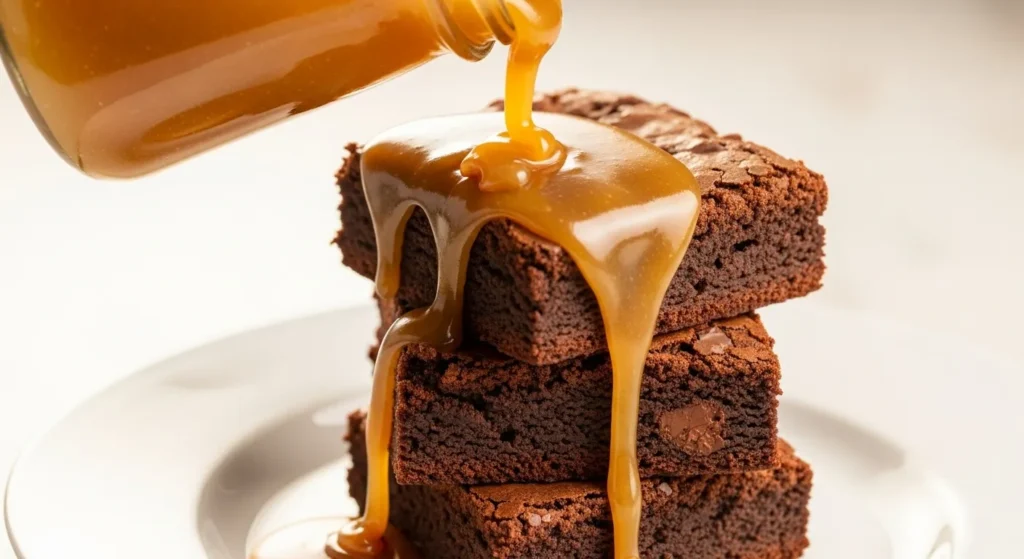
- Drizzle over no-bake protein balls for a sweet treat.
- Use as a dip for sliced apples or pretzels.
- Swirl into overnight oats for a decadent breakfast.
A Personal Caramel Story
Growing up, my grandma made caramel sauce every fall for apple pies. The kitchen smelled like heaven, and I’d sneak spoonfuls when she wasn’t looking. One day, I tried making it myself and ended up with a burnt mess! That taught me the importance of watching the color closely. Now, I love sharing this foolproof recipe with friends, and it’s become a staple for my dessert nights.
External Resources
For more on food chemistry, visit Exploratorium’s Science of Cooking