Prep Time: 5-10 minutes per vegetable type
Total Time: 5-10 minutes per vegetable type
Servings: Varies based on vegetable quantity
Why Proper Storage Matters
Fresh vegetables lose quality quickly if not stored right. Proper storage extends shelf life, preserves flavor, and prevents food waste. This guide helps you store vegetables for recipes like Creamy Mushroom Risotto or Easy Vegetarian Shepherd’s Pie. Follow these tips to keep your produce fresh for weeks.
Key Storage Principles
Vegetables have different needs. Some thrive in the fridge, others at room temperature. Ethylene gas, produced by some produce, can speed up spoilage. Temperature, humidity, and airflow also play roles. Here’s how to store vegetables based on their needs.
Vegetables to Store in the Fridge
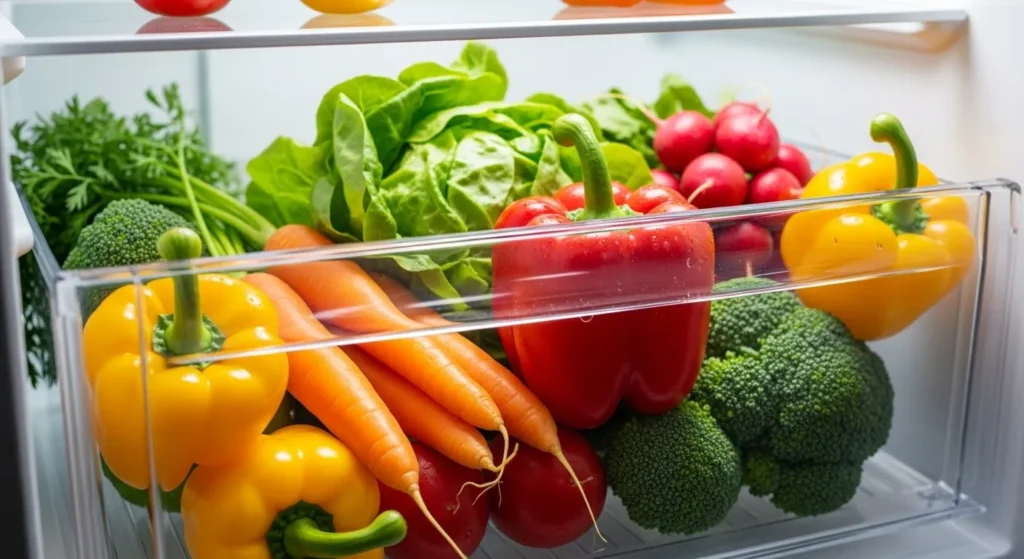
Most vegetables stay fresh longer in the refrigerator, ideally at 35-40°F. Use the crisper drawer for best results.
- Leafy Greens (Lettuce, Spinach, Kale): Wrap in a paper towel and store in a perforated plastic bag. Change the towel daily to absorb moisture. Shelf life: 3-10 days.
- Broccoli and Cauliflower: Keep in a perforated plastic bag. Do not wash before storing to avoid mold. Shelf life: 2-3 weeks.
- Carrots: Store in a sealed bag with a paper towel to absorb moisture. Shelf life: 2-3 weeks.
- Cucumbers: Keep in a sealed bag in the crisper. Do not wash until ready to use. Shelf life: 1-2 weeks.
- Bell Peppers: Store in a breathable bag in the crisper. Green peppers last longer than red or yellow. Shelf life: 1-2 weeks.
- Asparagus: Trim ends and stand upright in a jar with 1-2 inches of water. Cover with a plastic bag. Shelf life: 1-2 weeks.
- Mushrooms: Store in a paper bag to prevent sliminess. Shelf life: 3-5 days.
Vegetables to Store at Room Temperature
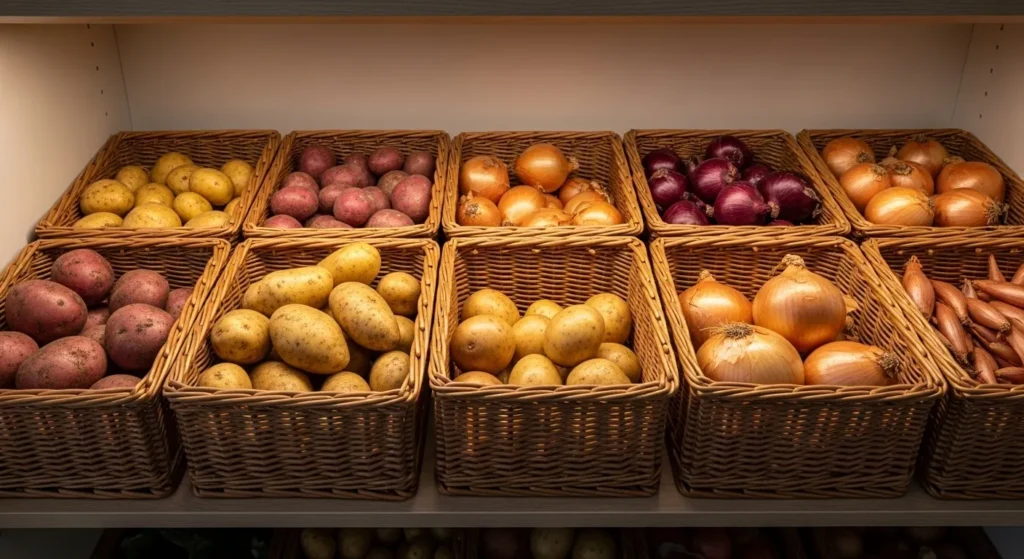
Some vegetables prefer a cool, dark, dry place (50-60°F) like a pantry or cupboard.
- Potatoes: Store in a breathable sack or basket, away from onions. Light causes sprouting. Shelf life: 1-2 months.
- Onions and Garlic: Keep in a well-ventilated basket, separate from potatoes. Shelf life: 1-2 months for onions, 7-10 days for peeled garlic.
- Tomatoes: Store on the counter, away from sunlight. Refrigeration dulls flavor. Shelf life: 1-2 weeks.
- Winter Squash (e.g., Butternut): Keep in a cool, dry place. Avoid refrigeration for whole squash. Shelf life: 2-6 months.
Step-by-Step Storage Instructions
- Sort and Inspect: Check vegetables for bruises or damage. Use damaged ones first, as they spoil faster.
- Avoid Washing Before Storage: Wash most vegetables just before use to prevent moisture buildup. Exception: Rinse leafy greens and dry thoroughly.
- Use Proper Containers: Store fridge vegetables in perforated plastic bags or airtight containers with paper towels. Use breathable sacks for pantry storage.
- Separate Ethylene Producers: Keep tomatoes, onions, and garlic away from ethylene-sensitive vegetables like leafy greens, broccoli, or cucumbers.
- Check Regularly: Inspect stored vegetables weekly. Remove any spoiled pieces to prevent spreading.
- Maintain Fridge Temperature: Set your fridge to 35-40°F. Use the crisper drawer for vegetables needing humidity.
Substitution Ideas
- No Perforated Bags? Use a regular plastic bag and poke small holes for ventilation.
- No Paper Towels? Use a clean, dry cloth to absorb moisture.
- No Baskets for Pantry? Store potatoes or onions in a cardboard box with ventilation holes.
Storage and Make-Ahead Tips
- Freezing Vegetables: Freeze vegetables like peas, beans, or spinach to extend shelf life. Blanch in boiling water for 2 minutes, cool in ice water, and store in freezer bags. Shelf life: up to 12 months.
- Pre-Cut Vegetables: Store chopped carrots, celery, or peppers in airtight containers with water to keep them fresh for 2-3 days.
- Revive Limp Vegetables: Soak limp carrots or celery in cold water for 30 minutes to restore crispness.
- Root Cellar Alternative: If you lack a pantry, store root vegetables in a cool, dark corner of your home.
Serving Suggestions
Fresh vegetables are perfect for many dishes. Try these recipes from TasteCraft.site:
- Use crisp broccoli in Garlic Roasted Broccoli and Cauliflower.
- Add fresh spinach to a 5-Minute Green Smoothie.
- Toss stored bell peppers into a Sheet Pan Chicken Fajitas.
Tips and Variations
- Label Containers: Mark storage dates to track freshness.
- Use Mesh Bags for Citrus: If storing cucumbers or peppers with citrus, use mesh bags to allow airflow.
- Freeze in Portions: Freeze chopped vegetables in small portions for quick use in soups or stir-fries.
- Check Humidity: Adjust crisper drawer settings—high humidity for leafy greens, low for root vegetables.
Conclusion
Storing vegetables correctly is simple and saves time, money, and food. By following these tips, your produce will stay fresh for weeks, ready for your next meal. Whether you’re cooking a Quick 30-Minute Indian Lentil Soup or a Easy Slow Cooker Beef Stew, fresh vegetables elevate every dish. Share your favorite storage tips in the comments!