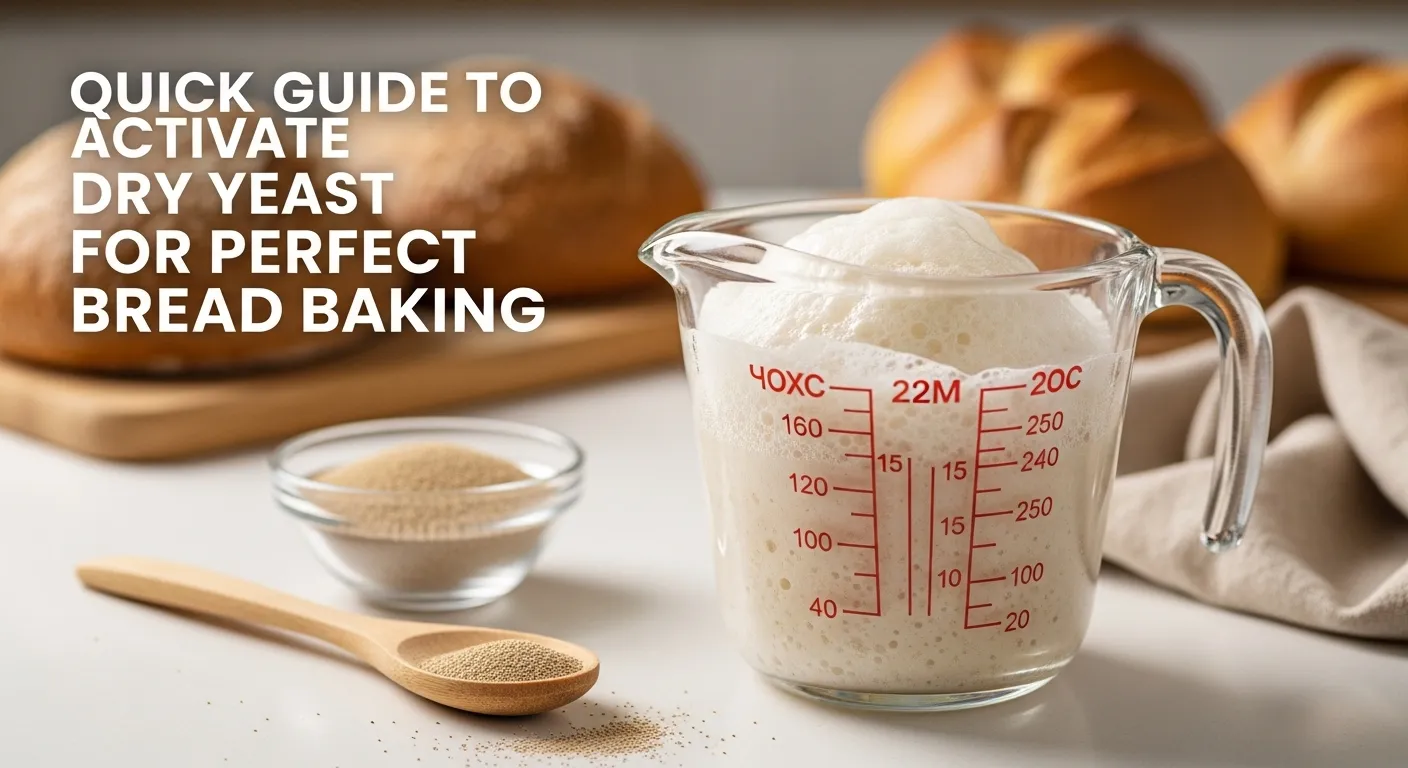
Activating dry yeast is a simple step that ensures your bread rises perfectly every time. Whether you’re a beginner or a seasoned baker, understanding how to wake up dry yeast can make or break your homemade bread, pizza dough, or cinnamon rolls. This guide breaks down the process with clear steps, tips, and a personal story to make your baking journey smooth and successful. Let’s get started!
Prep Time: 10 minutes
Total Time: 10 minutes
Servings: Enough activated yeast for 1 standard bread recipe (about 1 loaf or 12 rolls)
What Is Dry Yeast and Why Activate It?
Dry yeast is a dormant form of baker’s yeast, a single-celled organism (Saccharomyces cerevisiae) that ferments sugars to produce carbon dioxide, making dough rise. Unlike instant yeast, active dry yeast needs to be “woken up” with warm water and sometimes sugar to ensure it’s alive and ready to work. Activating it guarantees soft, fluffy bread with great flavor.
Ingredients
- ¼ cup warm water (105–110°F or 40–43°C)
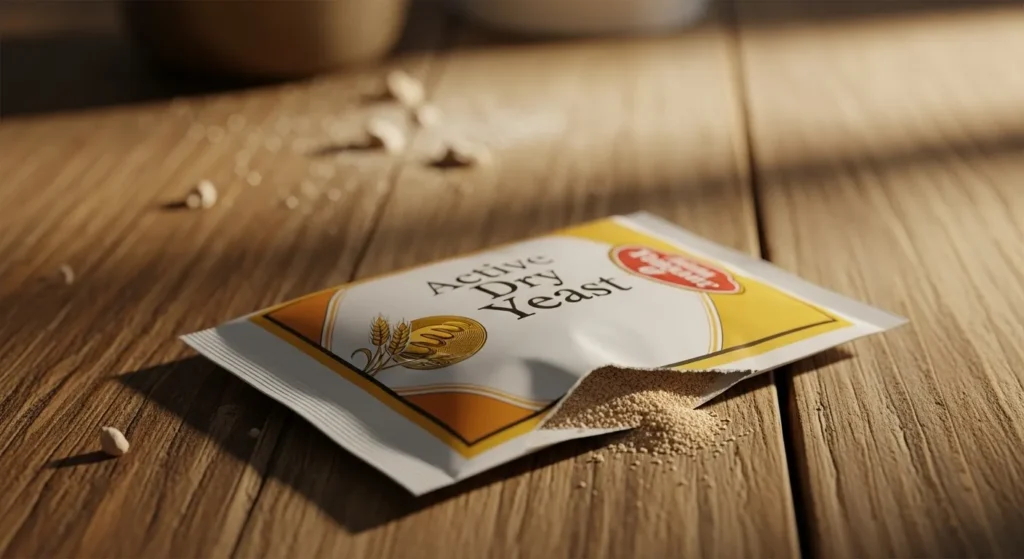
- 1 packet (2 ¼ teaspoons) active dry yeast
- 1 teaspoon granulated sugar or honey (optional, to feed the yeast)
Equipment
- Small bowl or measuring cup
- Instant-read thermometer (optional but recommended)
- Spoon or whisk for stirring
A Personal Yeast Story
The first time I tried baking bread, I was nervous about yeast. I used water that was too hot, and my dough turned into a dense brick. After a call to my grandma, a lifelong baker, I learned the importance of the right water temperature. She said, “Treat yeast like a cozy bath, not a hot tub!” That advice stuck, and now I bake fluffy homemade mac and cheese bread and easy sourdough discard cinnamon rolls with confidence. Let’s make sure your yeast works like a charm!
Step-by-Step Instructions to Activate Dry Yeast
- Check the Yeast’s Expiration Date
Ensure your yeast is fresh. Expired yeast may not activate, leading to flat dough. Store unopened yeast in a cool, dry place or the freezer to extend its shelf life (best bread storage tips). - Warm the Water
Heat ¼ cup of water to 105–110°F (40–43°C). Use an instant-read thermometer for accuracy, or test it with your finger—it should feel warm, not hot. Too hot (above 135°F) kills yeast; too cold (below 100°F) keeps it dormant. - Combine Yeast and Water
In a small bowl or measuring cup, sprinkle the active dry yeast over the warm water. Add 1 teaspoon of sugar or honey if your recipe calls for it. Sugar feeds the yeast, speeding up activation, but it’s optional for modern yeast. - Stir and Wait
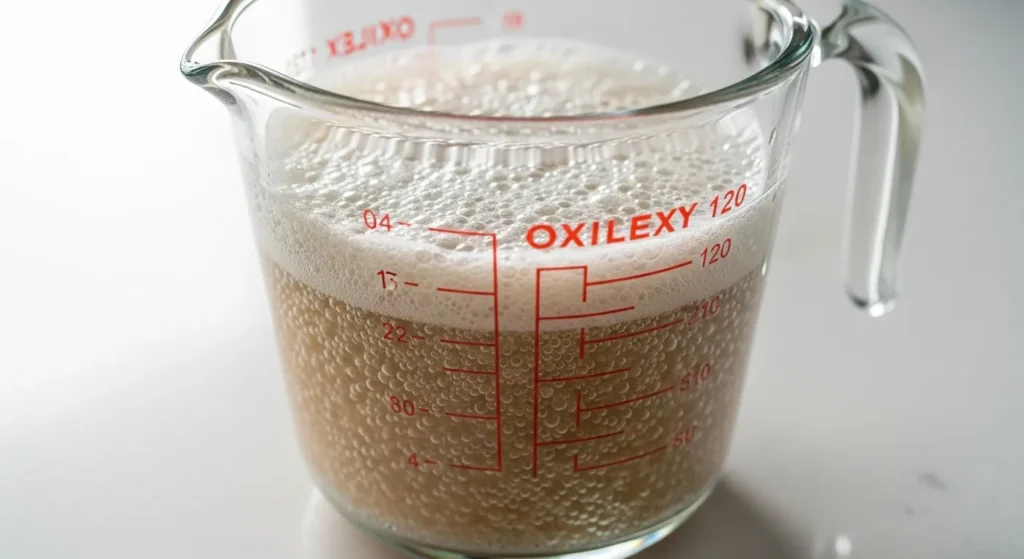
Gently stir the mixture with a spoon or whisk until the yeast dissolves. Let it sit for 5–10 minutes in a warm, draft-free spot. The mixture should bubble and foam, doubling in size, with a slight wheat or beer-like smell. If it doesn’t foam, the yeast is dead—discard and start with fresh yeast. - Use Immediately
Once foamy, add the activated yeast to your recipe’s dry ingredients as directed. For example, try it in our easy yeast rolls or homemade pizza dough.
Tips for Perfect Yeast Activation
- Use the Right Temperature: Water between 105–110°F is ideal. Too hot kills yeast; too cold slows it down.
- Avoid Salt Contact: Don’t add salt to the yeast mixture—it can kill the yeast. Add salt later with dry ingredients.
- Fresh Yeast Matters: Always check the expiration date. Store opened yeast in an airtight container in the fridge (up to 4 months) or freezer (up to 6 months).
- Test Before Baking: If unsure about your yeast, proof it first to confirm it’s active. This saves time and ingredients.
Substitutions and Variations
- Sugar Alternatives: Replace granulated sugar with honey, maple syrup, or molasses. Each adds a slight flavor twist. Avoid brown sugar for neutral-tasting bread.
- Instant Yeast Swap: If using instant yeast, skip activation and mix directly with dry ingredients. Reduce the amount by 25% (e.g., use 1 ¾ teaspoons instead of 2 ¼ teaspoons).
- Liquid Options: Use warm milk or potato water for richer flavor in recipes like sheet-pan chicken fajitas dough. Ensure the temperature stays within 105–110°F.
Storage and Make-Ahead Tips
- Storing Yeast: Keep unopened dry yeast in a cool, dry place or freezer. Once opened, store in an airtight container in the fridge (4 months) or freezer (6 months).
- Make-Ahead: Activate yeast just before use for best results. Don’t store activated yeast—it loses potency quickly.
- Freezing Dough: If your recipe allows, prepare dough with activated yeast, let it rise once, then freeze for later use. Thaw in the fridge overnight before shaping and baking. See how to freeze cooked rice for similar freezing tips.
Serving Suggestions
- Use activated yeast in easy sourdough discard cinnamon rolls for a sweet breakfast treat.
- Make a savory pizza dough for homemade sushi rolls night with a bread twist.
- Pair with creamy mushroom risotto for a cozy dinner with freshly baked bread.
Frequently Asked Questions (People Also Ask)
Can I activate yeast without sugar?
Yes, sugar is optional. Modern active dry yeast activates well with just warm water. Sugar speeds up the process but doesn’t affect the final rise.
What if my yeast doesn’t foam?
If no foam forms after 10 minutes, the yeast is likely dead. Check the water temperature and expiration date. Try again with fresh yeast.
Can I use instant yeast instead of active dry yeast?
Yes, but skip the activation step and mix instant yeast directly with dry ingredients. Use 25% less instant yeast (e.g., 1 ¾ teaspoons for 2 ¼ teaspoons active dry).
How do I know if my yeast is still good?
Proof it by mixing with warm water and a pinch of sugar. If it bubbles and foams within 10 minutes, it’s active.
Conclusion
Activating dry yeast is a quick, foolproof step to ensure your bread rises beautifully. With the right water temperature and a little patience, you’ll master this baking essential. Try this method in our best homemade apple pie for a perfect crust or easy yeast rolls for a dinner treat. Happy baking, and share your results with us at TasteCraft.site!