The Science of Fermentation in Bread Making: How Yeast Builds Flavor and Rise
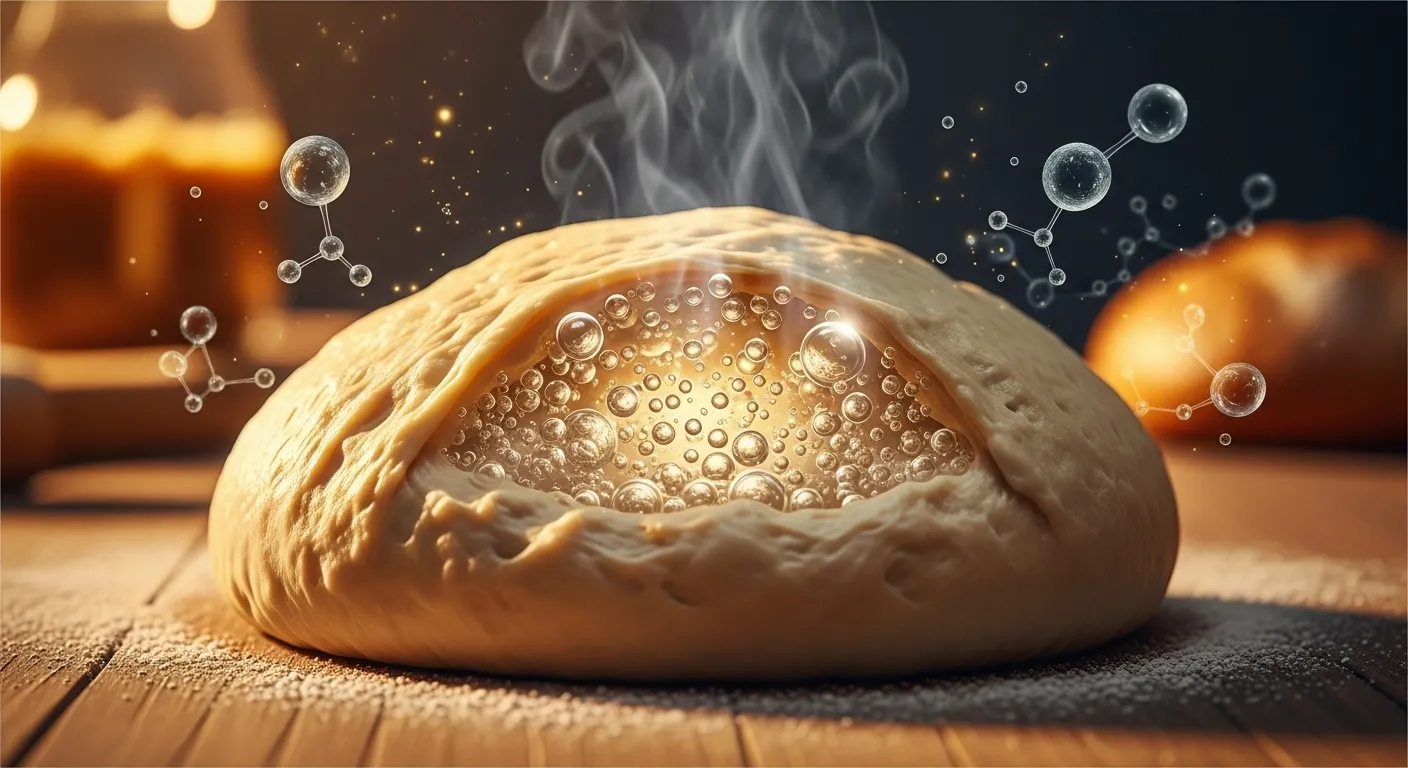
Fermentation turns simple dough into light, tasty bread. Yeast eats sugars in flour. It makes carbon dioxide gas. This gas …
Demystify the world of food with our guides on culinary science, ingredient facts, and cooking techniques. Learn the “why” behind what you do in the kitchen to become a more confident cook.
Fermentation turns simple dough into light, tasty bread. Yeast eats sugars in flour. It makes carbon dioxide gas. This gas …
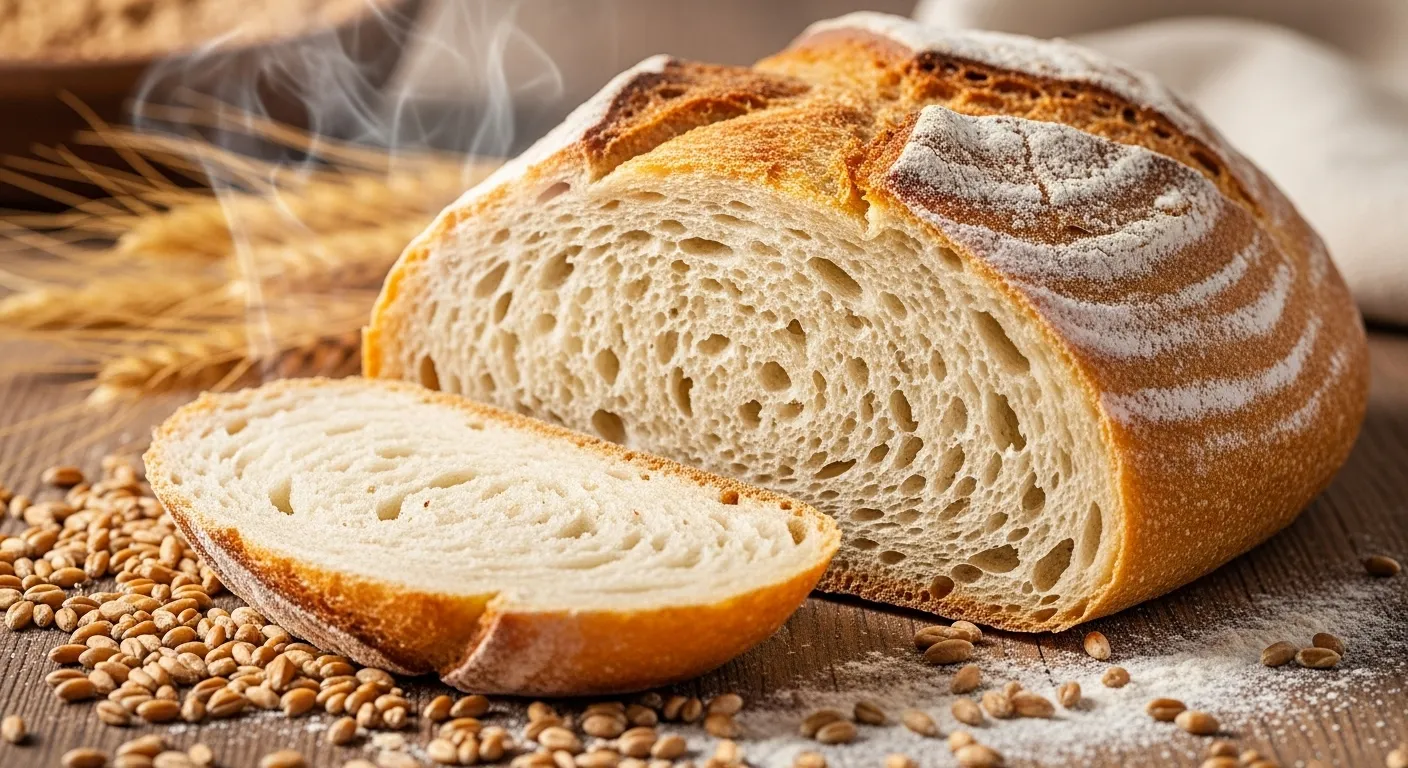
Gluten is a protein found in wheat, barley, and rye. It forms when you mix flour with water. This creates …
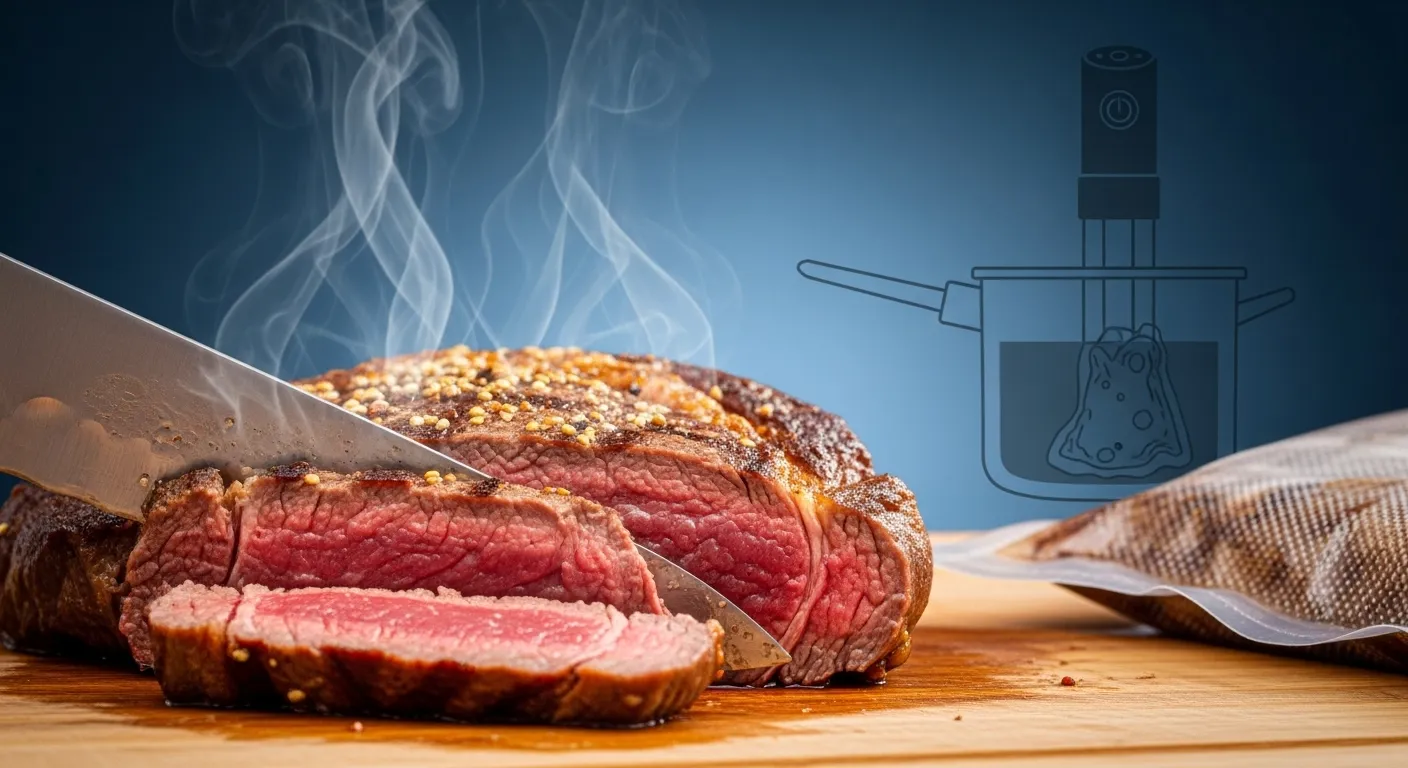
Sous vide cooking seals food in a bag and cooks it in warm water at a set temperature. This method …
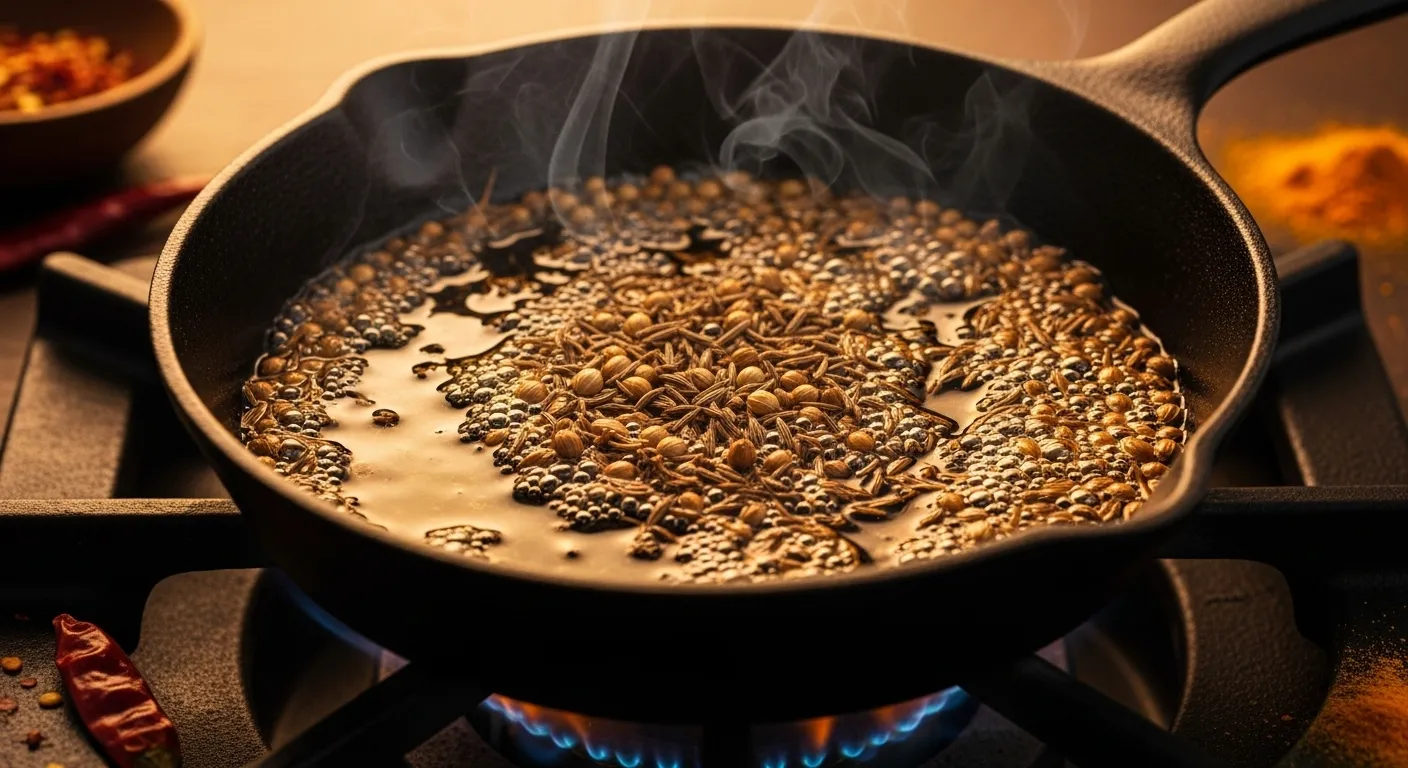
Blooming spices means heating them in oil or fat to release their full taste. This quick step takes 1 to …
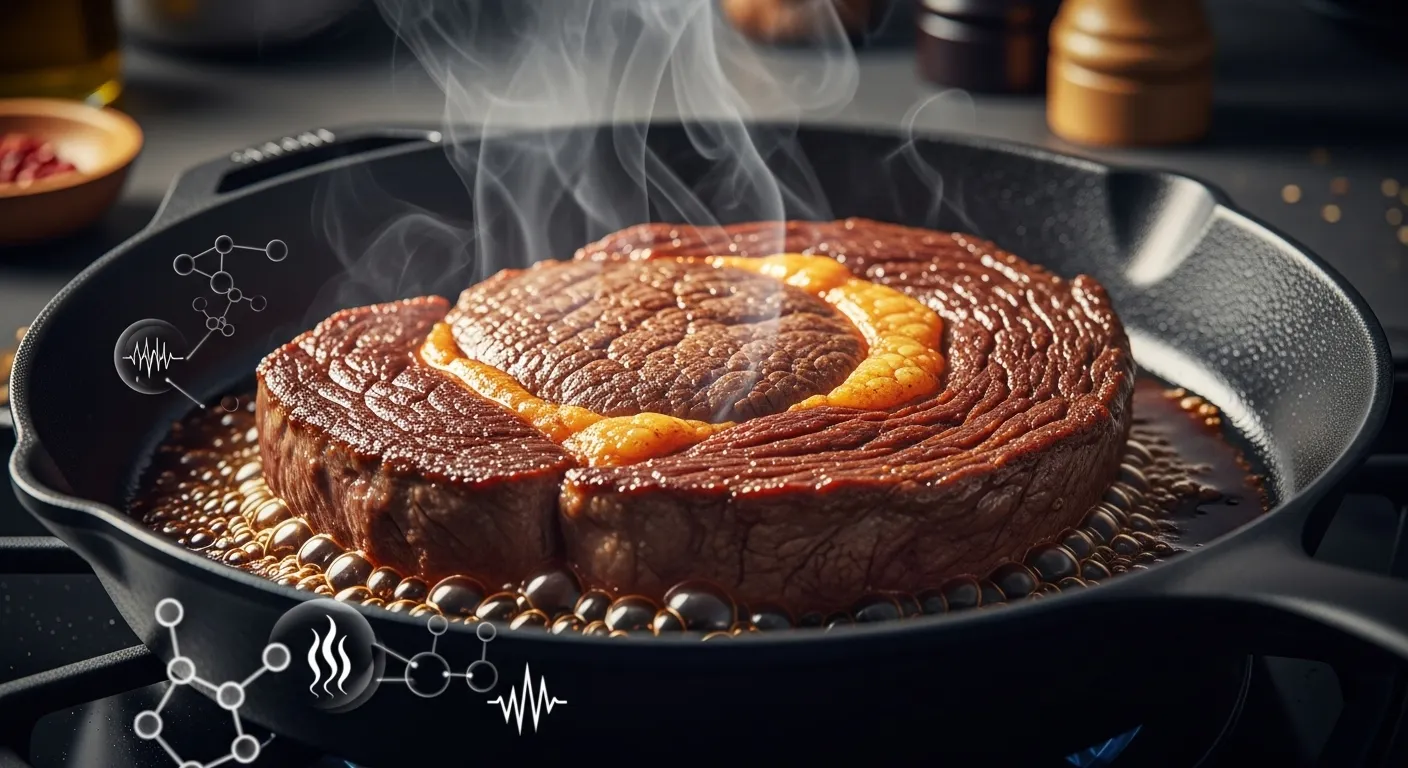
Prep Time: 5 minutes (plus 40 minutes salting)Cook Time: 10 minutesTotal Time: 55 minutesServings: 2 A perfect steak sear creates …
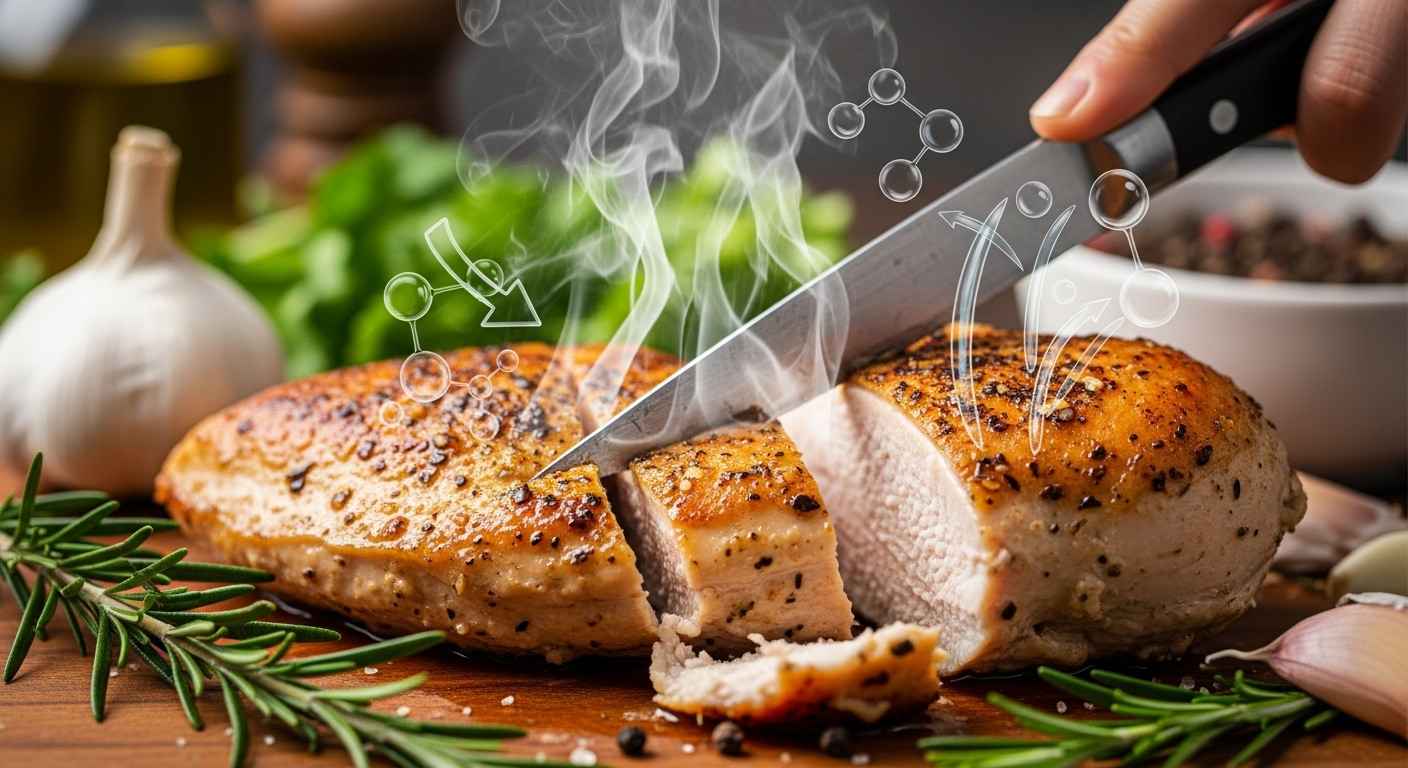
Osmosis moves water through cell walls in food to balance salt levels. In cooking, it helps control moisture and add …

Caramelization creates the rich, golden-brown flavor we love in desserts. It’s a chemical process that transforms sugar into a complex, …
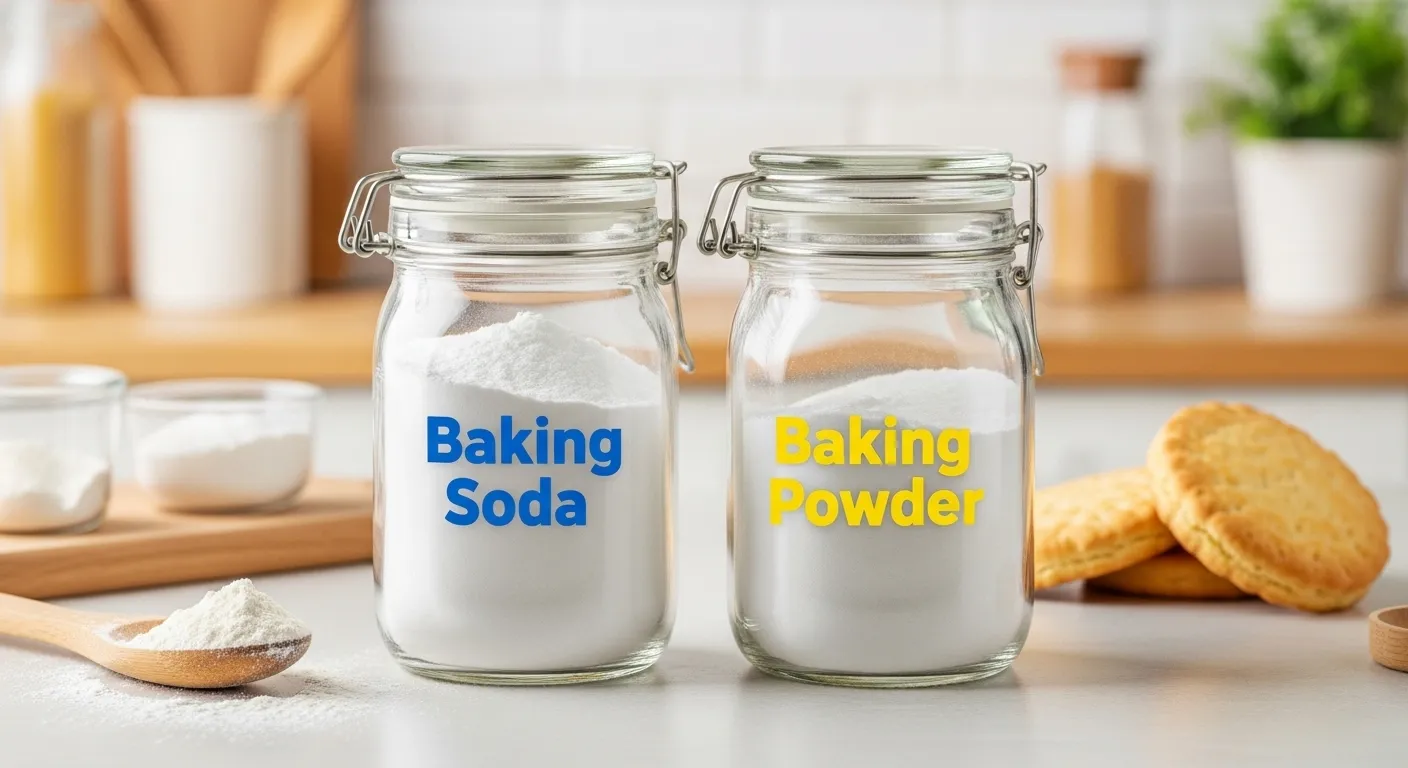
Baking soda and baking powder both help baked goods rise. They act as leavening agents by creating carbon dioxide gas. …
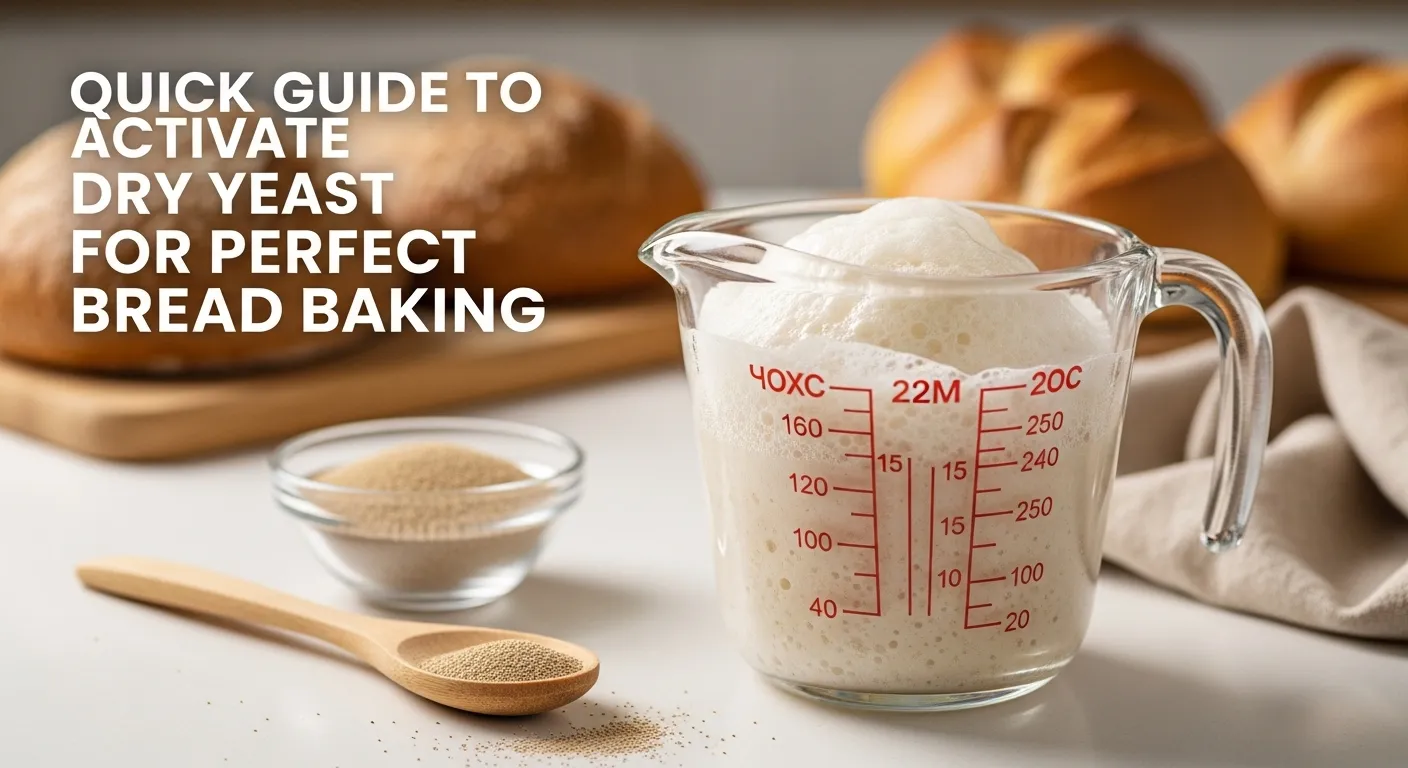
Activating dry yeast is a simple step that ensures your bread rises perfectly every time. Whether you’re a beginner or …
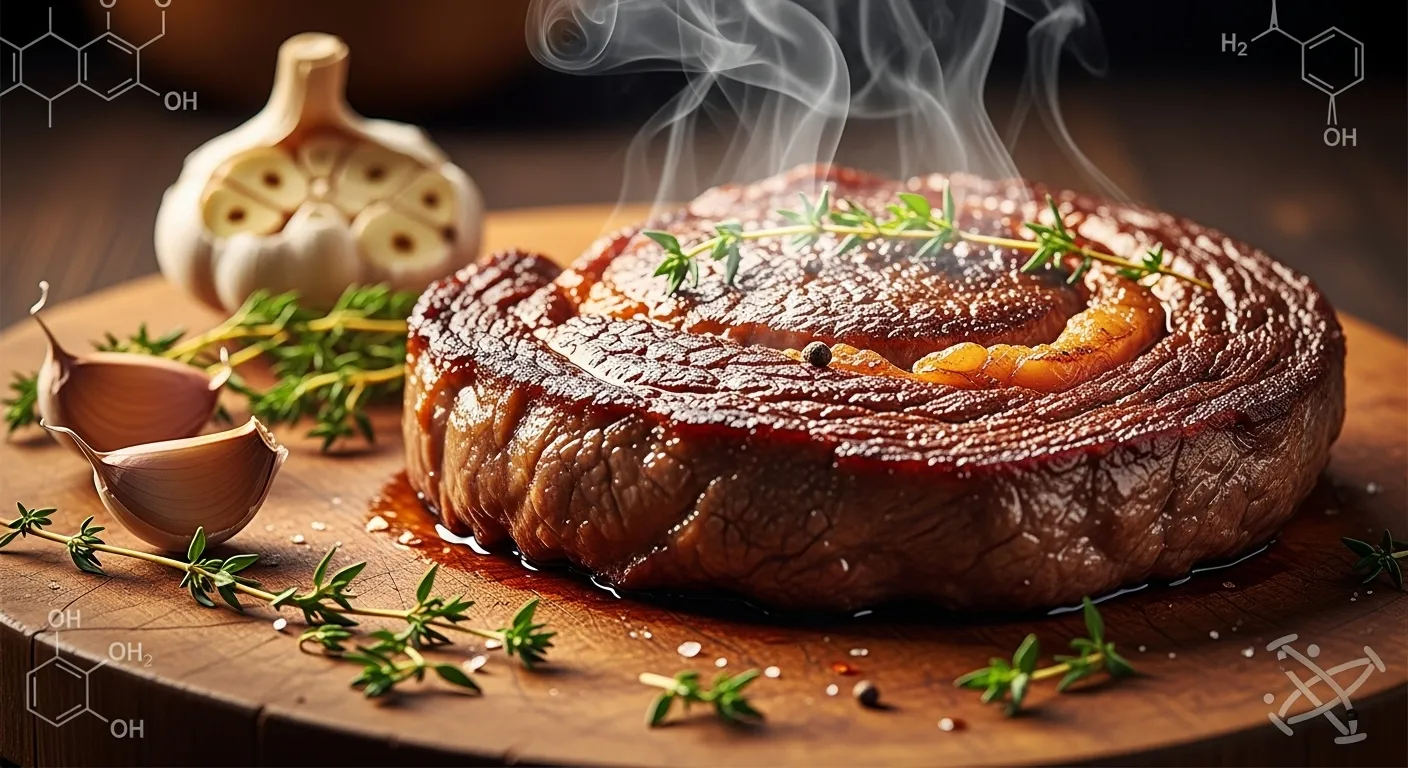
The Maillard reaction happens when heat makes amino acids and sugars in food react. This creates brown colors and rich …