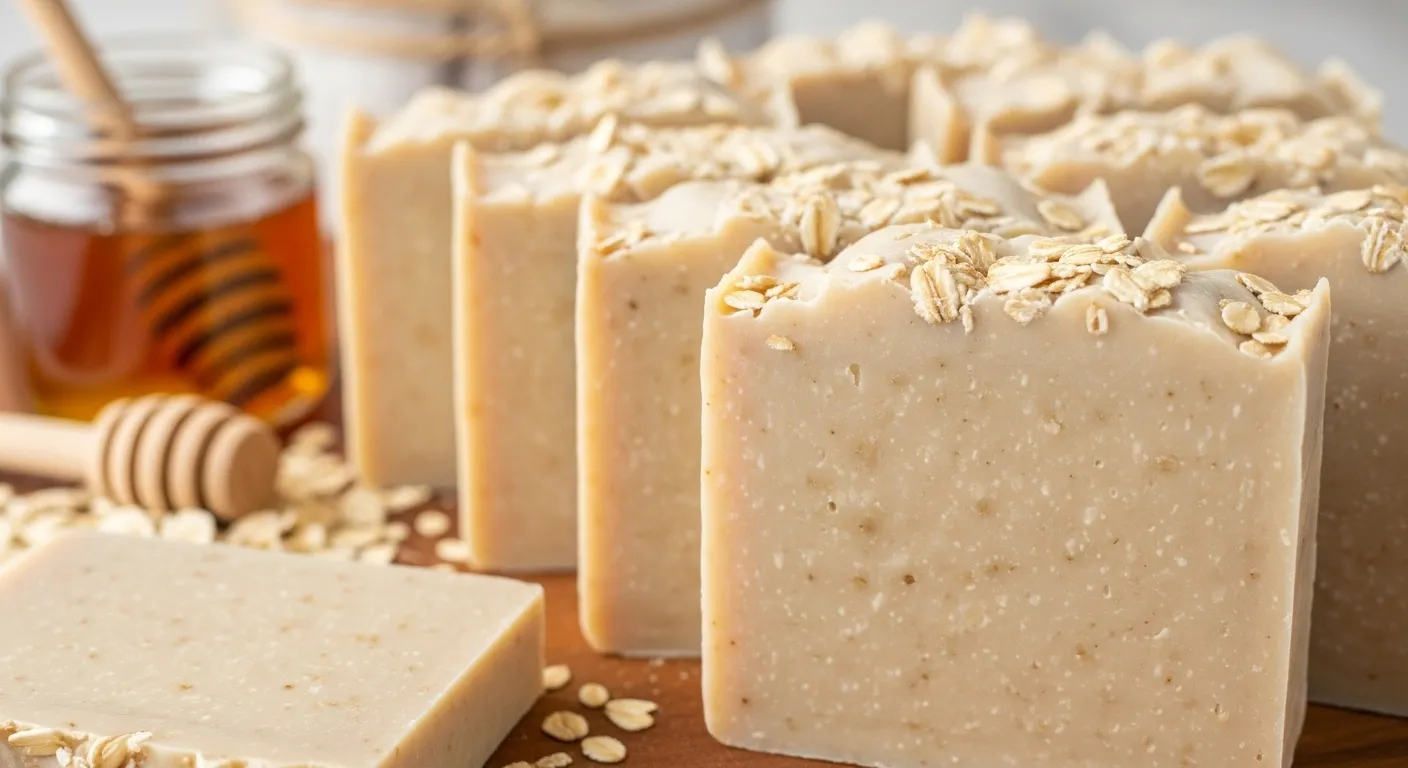
Making soap at home is a fun way to create something useful. This oatmeal honey cold process soap recipe is perfect for beginners. It uses simple ingredients like olive oil and coconut oil. The process takes about 30 minutes of active time, plus curing. I remember my first time making soap—my kitchen smelled like a cozy bakery, and I felt like a chemist mixing potions! This recipe is gentle, moisturizing, and great for sensitive skin.
Prep Time: 30 minutes
Cure Time: 4-6 weeks
Total Time: 30 minutes (active) + curing
Servings: 8 bars (4 oz each)
What is Cold Process Soap?
Cold process soap is made by mixing oils with lye and water. This causes a chemical reaction called saponification. The soap hardens over 4-6 weeks, creating gentle, moisturizing bars. Unlike hot process soap, no external heat is used, preserving the oils’ natural benefits.
Why Choose Oatmeal and Honey?
Oatmeal soothes itchy or dry skin. Honey adds moisture and a subtle sweetness. Together, they make a creamy, gentle soap perfect for daily use.
Ingredients
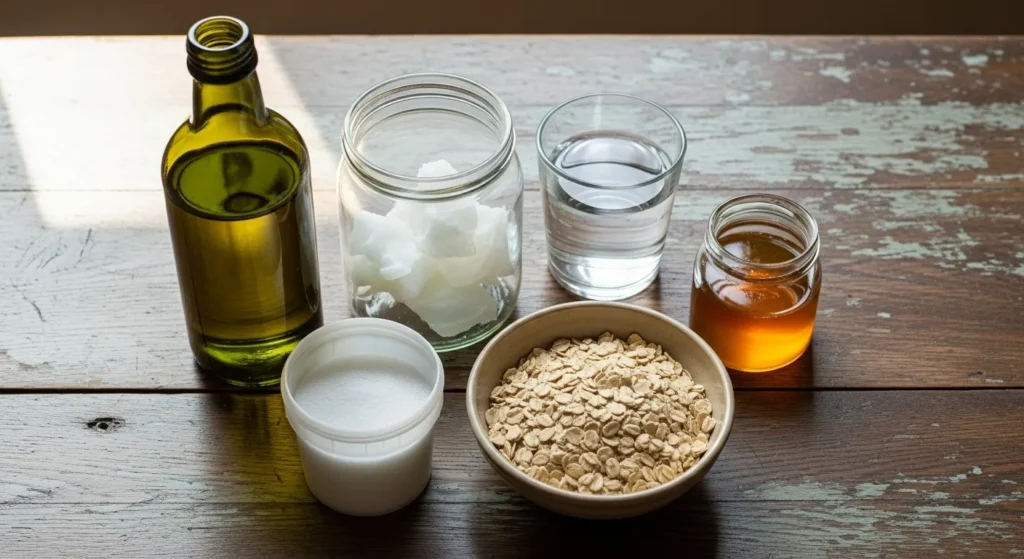
- 10 oz olive oil
- 6 oz coconut oil
- 2.3 oz lye (sodium hydroxide)
- 5.4 oz distilled water
- 1 oz rolled oats (finely ground)
- 1 tbsp honey
- 1 tsp sodium lactate (optional, for harder bars)
Note: Always use a lye calculator to confirm measurements.
Equipment Needed
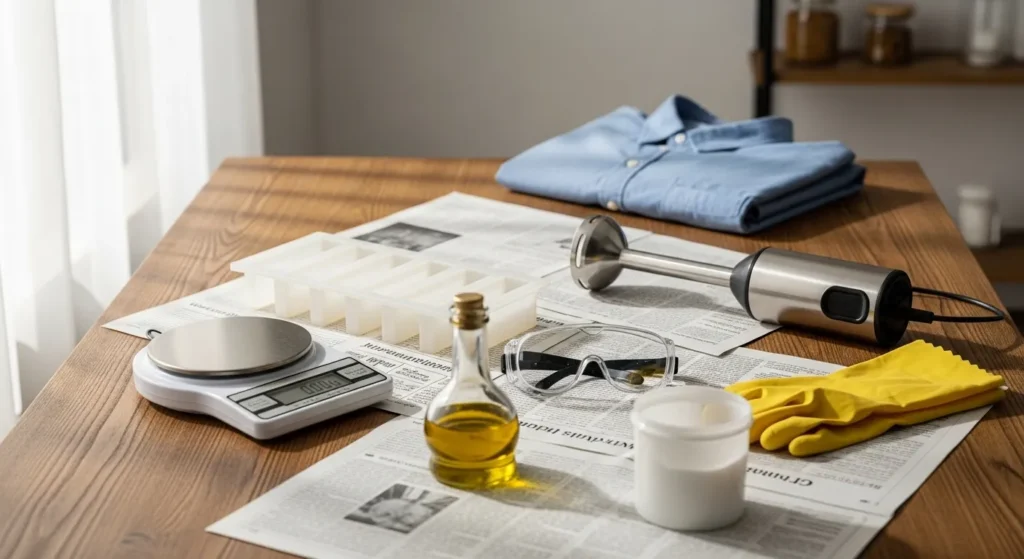
- Digital scale
- Heatproof containers (2)
- Silicone mold (6-8 bar capacity)
- Immersion blender
- Safety goggles
- Rubber gloves
- Long-sleeve shirt
- Thermometer
- Mixing spoon
- Newspaper (to cover workspace)
Step-by-Step Instructions
- Prepare Your Workspace: Cover your work area with newspaper. Wear safety goggles, gloves, and a long-sleeve shirt. Work in a well-ventilated area.
- Weigh Ingredients: Use a digital scale to measure olive oil, coconut oil, lye, water, oats, and honey precisely.
- Mix Lye Solution: Slowly add lye to water (never water to lye) in a heatproof container. Stir gently until dissolved. Let cool to 100-110°F.
- Melt Oils: In a separate heatproof container, melt coconut oil. Add olive oil and heat to 100-110°F.
- Combine Oils and Lye: Pour lye solution through a sieve into the oils. Use an immersion blender to mix until a light trace (thin pudding consistency) forms.
- Add Oatmeal and Honey: Stir in ground oats and honey. Blend until fully mixed.
- Pour into Mold: Pour the mixture into a silicone mold. Tap gently to remove air bubbles.
- Insulate and Cure: Cover the mold with a towel and let it sit for 24-48 hours. Unmold and cut into bars.
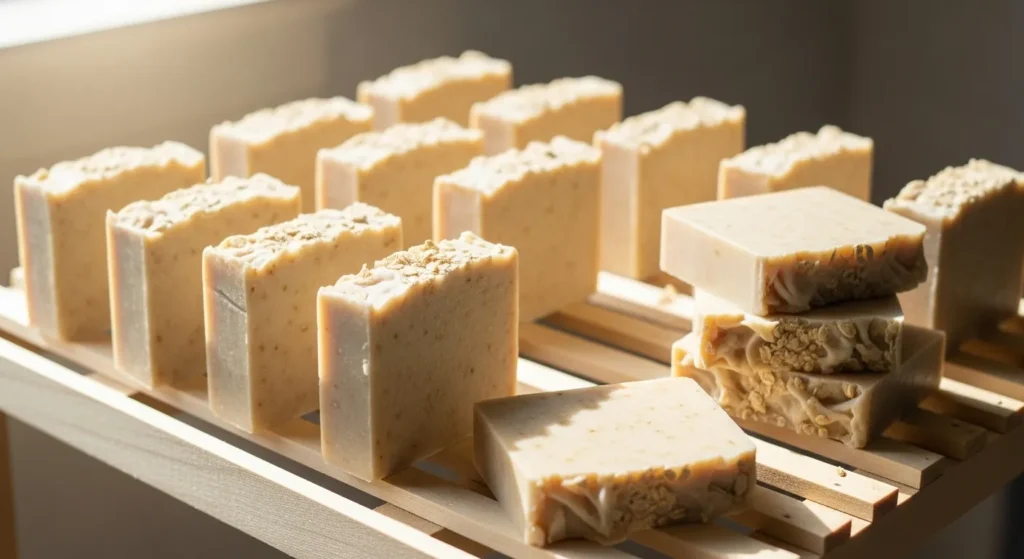
- Final Cure: Place bars in a cool, dry place with good airflow. Cure for 4-6 weeks.
Tips and Variations
- Check Trace: Thin trace looks like thin cake batter. Medium trace is like pudding. Don’t overmix, or the soap will harden too fast.
- Add Essential Oils: Try 0.5 oz lavender or chamomile essential oil for a calming scent.
- Experiment with Colors: Add natural colorants like rose clay (0.5 tsp) for a soft pink hue.
- Gel Phase: Wrap the mold in a towel to encourage gel phase for brighter colors. Or, place in the freezer to avoid it for a matte look.
Substitutions, Storage, and Serving Suggestions
Substitutions
- Olive Oil: Replace with rice bran oil or sweet almond oil for similar moisturizing properties.
- Coconut Oil: Use palm oil for a harder bar, but source sustainably.
- Honey: Swap with agave nectar for a vegan option.
- Oats: Use ground chamomile flowers for a floral twist.
Storage
- Store curing soap in a cool, dry place with good airflow. Avoid humid areas to prevent soda ash.
- After curing, wrap bars in wax paper or store in an airtight container. Use within 6-12 months for best fragrance.
Make-Ahead Tips
- Pre-measure ingredients the day before to save time.
- Prepare lye solution in advance and let it cool in a safe, ventilated area.
Serving Suggestions
- Use this soap for daily handwashing or as a gentle body wash.
- Pair with a homemade body butter for extra moisture. Check our organic body butter recipe for inspiration.
- Gift wrapped in kraft paper with a twine bow for a rustic touch.
Safety Tips for Handling Lye
Lye is a strong chemical. Handle it with care to stay safe.
- Always add lye to water, not the other way around.
- Wear protective gear: goggles, gloves, and long sleeves.
- Work in a well-ventilated area to avoid fumes.
- Keep vinegar nearby to neutralize spills.
Common Questions Answered
How long does cold process soap take to cure?
It takes 4-6 weeks for the soap to fully harden and become mild.
Can I use tap water instead of distilled?
No. Tap water has minerals that can cause sliminess. Use distilled water for best results.
What if my soap doesn’t reach trace?
Keep blending with an immersion blender. If it’s too watery, you may have used too much water.
Can I add fresh fruit puree?
Avoid fresh fruit; it can spoil. Use dried herbs or clays instead.
For more DIY ideas, try our no-bake cheesecake in a jar or learn how to store fresh herbs to keep your ingredients fresh.
This oatmeal honey soap is a great way to start your soap-making journey. It’s simple, gentle, and smells amazing. Share your results with us at TasteCraft!