Prep Time: 5 minutes
Total Time: 5 minutes
Servings: Varies based on meat quantity
Storing fresh meat correctly keeps it safe and tasty for your meals. Improper storage can lead to spoilage, foodborne illness, or wasted ingredients. This guide shares simple, practical steps to store fresh meat, ensuring it stays fresh for dishes like Quick 30-Minute Butter Chicken or Quick 20-Minute Taco Meat. Whether you’re prepping for a weeknight dinner or stocking up, these tips will help you avoid cross-contamination and maintain flavor.
I learned the importance of meat storage the hard way. One summer, I tossed a pack of chicken breasts in the fridge without wrapping them properly. By day three, they smelled off, and I had to throw them out. That waste inspired me to master meat storage, and now I’m sharing my tips to save you time, money, and frustration.
Why Proper Meat Storage Matters
Fresh meat is perishable and prone to bacterial growth if not stored correctly. Safe storage prevents foodborne illnesses, reduces waste, and preserves flavor for recipes like Quick 20-Minute Chicken Stir-Fry. Follow these steps to keep your meat fresh and ready for cooking.
Key Storage Guidelines
Follow these rules to store fresh meat safely:
- Refrigerate promptly: Store meat within 2 hours of purchase, or 1 hour if the temperature is above 90°F.
- Keep it cold: Set your fridge to 32°F–38°F and freezer to 0°F or below.
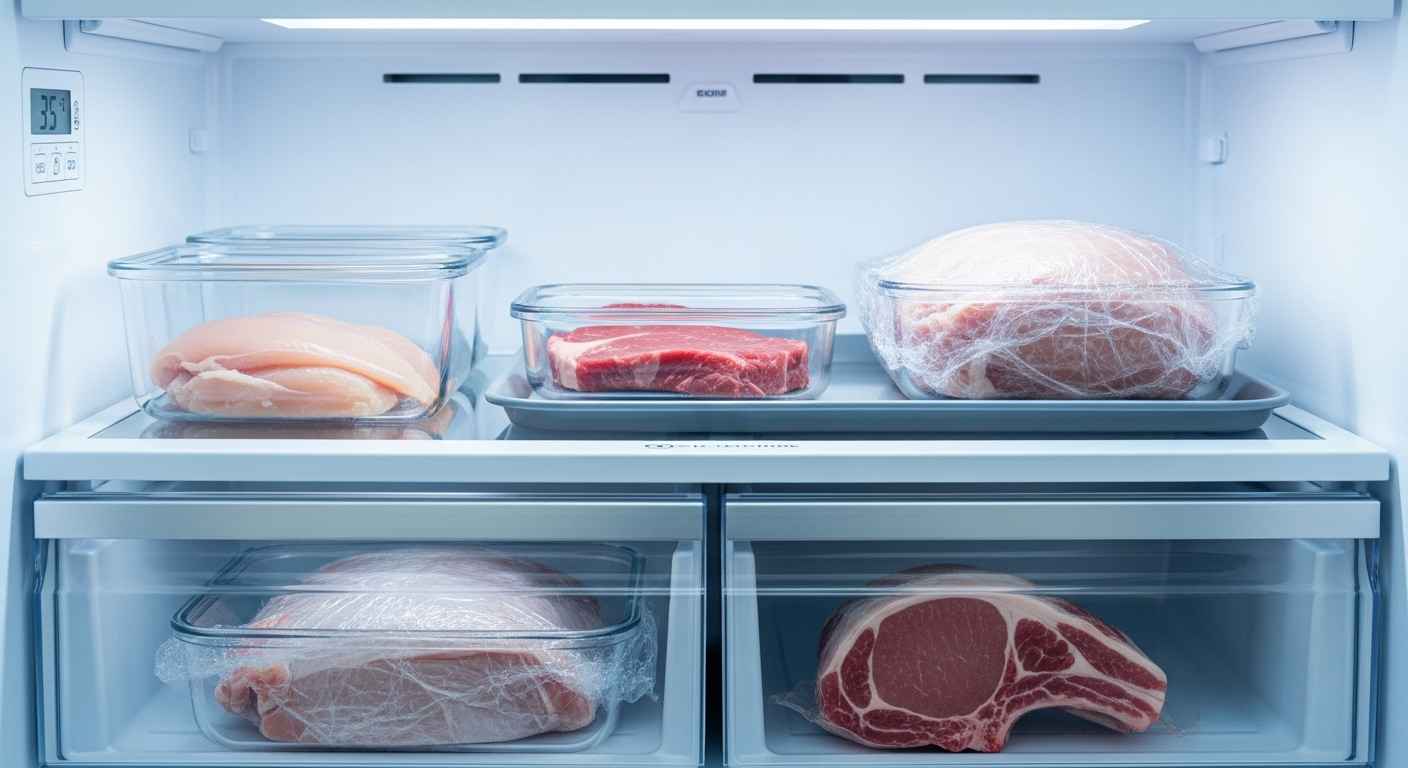
- Prevent leaks: Use airtight containers or wrap tightly to avoid drips.
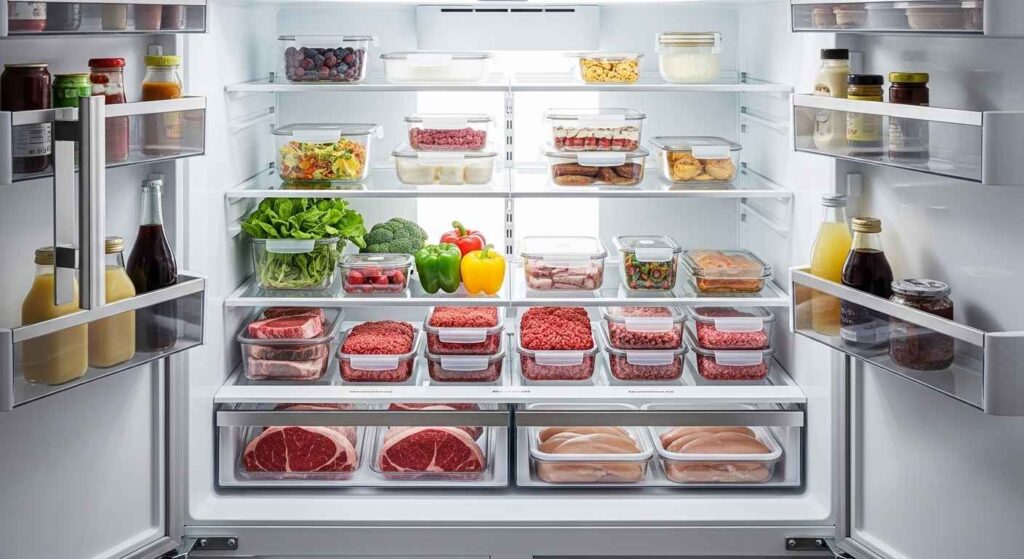
- Avoid cross-contamination: Store raw meat below cooked foods or produce.
For more food safety tips, visit FoodSafety.gov.
Ingredients (Tools for Storage)
- Airtight containers or resealable plastic bags
- Cling wrap or freezer paper
- Aluminum foil (for long-term freezing)
- Labels and a permanent marker
- Trays or plates (to catch drips)
- Refrigerator thermometer
Step-by-Step Instructions
- Check the Temperature
Use a thermometer to ensure your fridge is between 32°F and 38°F. Freezers should be 0°F or colder. This slows bacterial growth and keeps meat fresh. - Wrap Meat Tightly
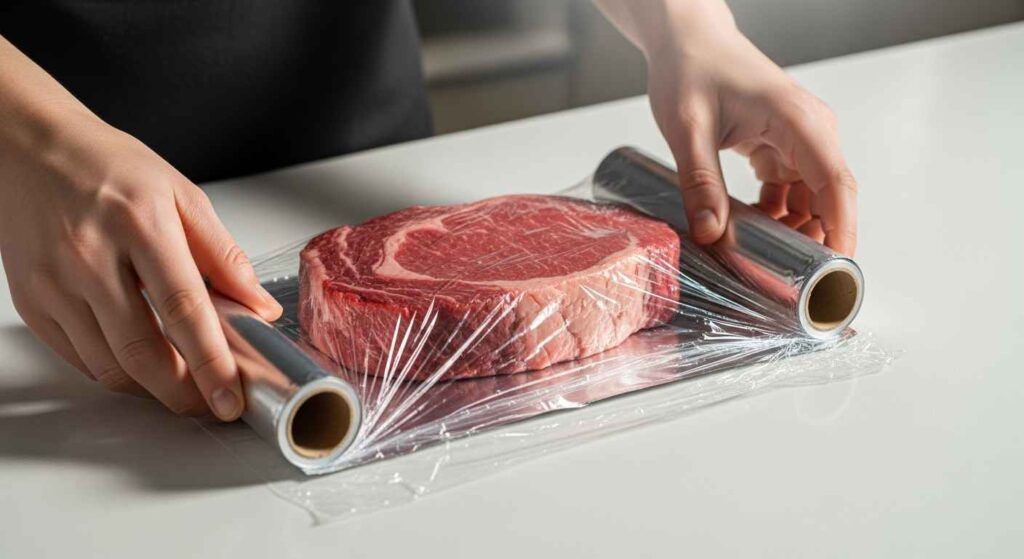
Place fresh meat in airtight containers or wrap it securely in cling wrap. For freezer storage, add a layer of aluminum foil or use freezer bags to prevent freezer burn. - Label Everything
Write the purchase date and type of meat on the package. This helps you track storage time and avoid spoilage. - Store on the Bottom Shelf
Place raw meat on the lowest fridge shelf to prevent juices from dripping onto other foods. Use a tray or plate to catch any leaks. - Freeze for Long-Term Storage
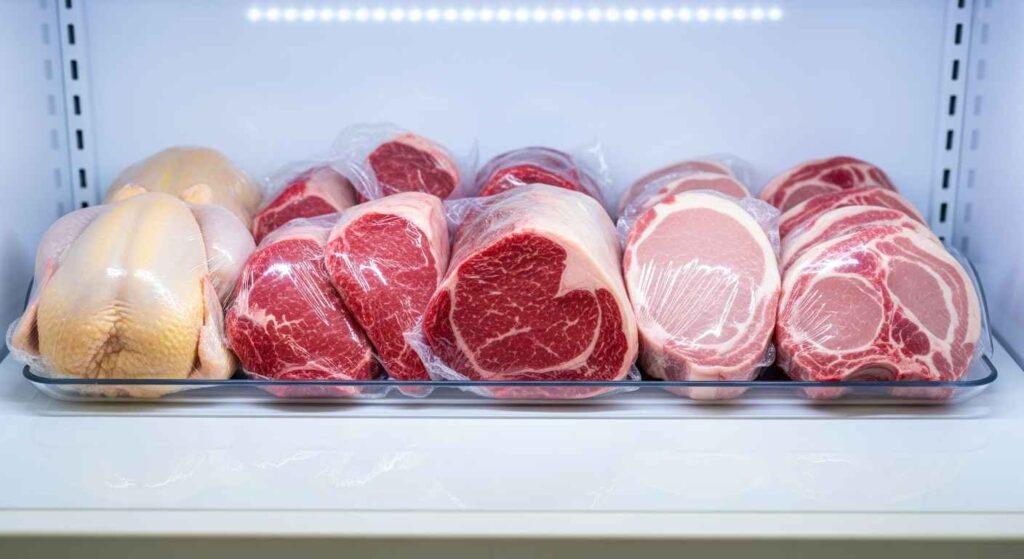
If not cooking within 1–5 days, freeze meat. Ground meat and poultry last 1–2 days in the fridge; beef, pork, or lamb lasts 3–5 days. - Thaw Safely
Thaw frozen meat in the fridge, cold water, or microwave. Never thaw on the counter, as bacteria grow quickly at room temperature.
Storage Times for Common Meats
| Meat Type | Refrigerator (32°F–38°F) | Freezer (0°F or below) |
|---|---|---|
| Ground beef, pork, turkey | 1–2 days | 3–4 months |
| Beef, pork, lamb (cuts) | 3–5 days | 6–12 months |
| Poultry (chicken, turkey) | 1–2 days | 9–12 months |
| Fish and shellfish | 1–2 days | 3–6 months |
Substitution Ideas
- No airtight containers? Use heavy-duty resealable plastic bags.
- No cling wrap? Wrap meat in parchment paper, then foil for freezing.
- No trays? Place wrapped meat in a shallow dish to catch drips.
Storage and Make-Ahead Tips
- Check use-by dates: Discard meat past its expiration date or if it smells sour or looks discolored.
- Portion before freezing: Divide large cuts into meal-sized portions for easier thawing.
- Use a cooler for transport: If shopping takes over 30 minutes, keep meat cold with an ice pack.
- Clean regularly: Wash fridge shelves and containers to prevent bacterial buildup.
Learn more about keeping your kitchen organized with our Small Kitchen Organization Guide.
Serving Suggestions
Fresh meat stored properly is perfect for quick meals. Try these recipes:
- Beef: Use for Quick Beef & Broccoli Stir-Fry.
- Chicken: Ideal for One-Pan Lemon Herb Chicken Dinner.
- Pork: Great for Quick 20-Minute Taco Meat.
Tips and Variations
- Double-wrap for freezing: Add an extra layer of foil to prevent freezer burn.
- Store live shellfish differently: Keep clams or oysters in a ventilated container with a damp cloth, not in water.
- Monitor fridge temperature: Check your thermometer weekly to ensure consistent cooling.
- Use a blast chiller: If you’re a restaurant owner, consider a blast chiller for rapid freezing.
Conclusion
Storing fresh meat correctly is simple and saves you from waste or health risks. By wrapping meat tightly, storing it on the bottom shelf, and freezing it when needed, you’ll keep it fresh for recipes like Sheet-Pan Chicken Fajitas. These steps ensure your meat stays safe and flavorful, ready for your next meal. Share your favorite meat storage tips in the comments!