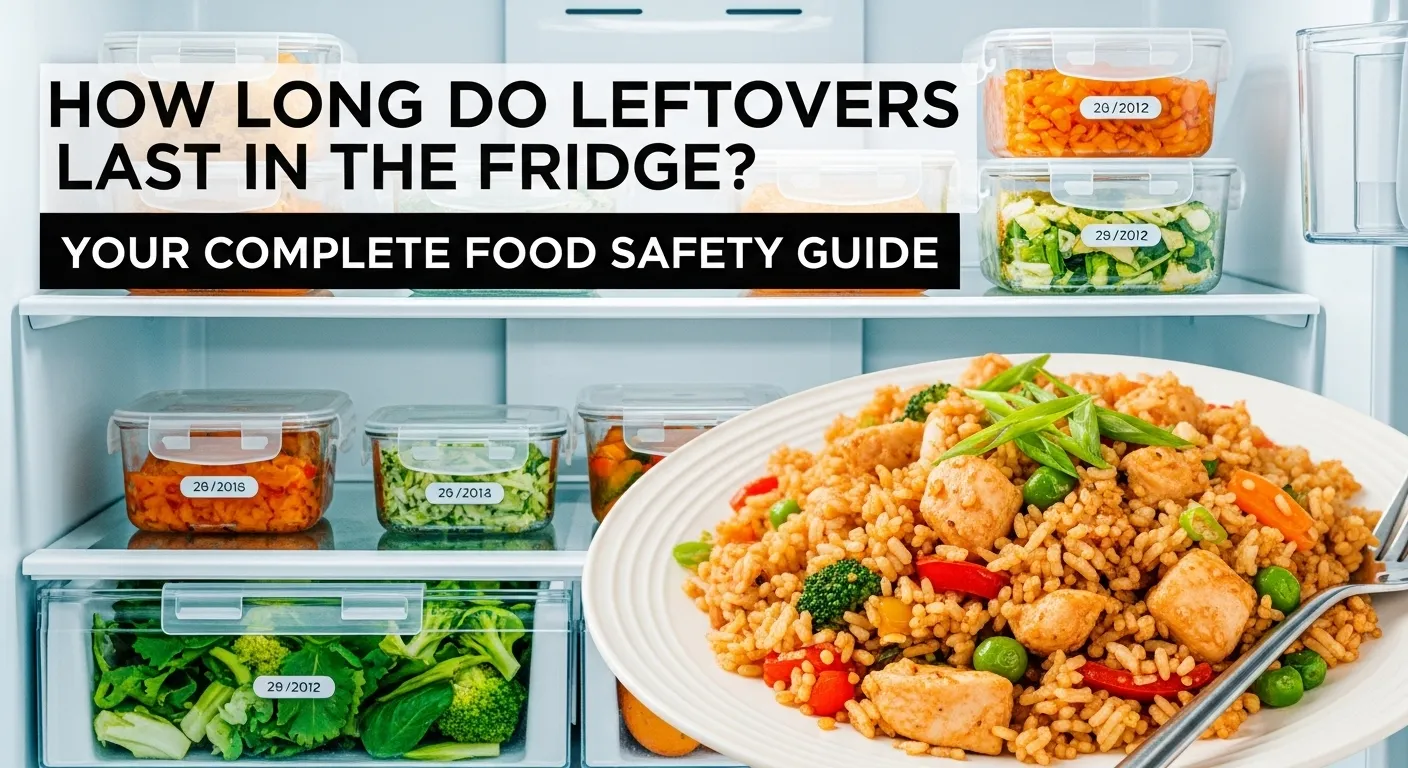
Leftovers are a lifesaver for busy weeknights, but how long can you safely keep them in the fridge? Knowing the right storage times keeps your meals safe and tasty. This guide covers how long different foods last, how to store them, and tips to reduce waste. Whether it’s last night’s Quick 30-Minute Chicken Parmesan or a batch of Creamy Mushroom Risotto, we’ve got you covered with practical advice.
I learned this the hard way when I left a container of Homemade Mac and Cheese in the fridge for over a week. It looked fine, but one bite told me it was past its prime. That moment taught me to respect food safety rules, and now I’m sharing them with you to keep your meals delicious and safe.
Why Proper Storage Matters
Storing leftovers correctly prevents foodborne illness and reduces waste. Bacteria grow fast between 40°F and 140°F, known as the danger zone. Refrigerating or freezing leftovers quickly keeps them safe. Here’s how to do it right.
Key Food Safety Tips
- Refrigerate promptly: Store leftovers within 2 hours of cooking (1 hour if the room is above 90°F).
- Keep fridge at 41°F or below: Check your fridge temperature with a thermometer.
- Use shallow containers: Divide food into containers less than 3 inches deep for faster cooling.
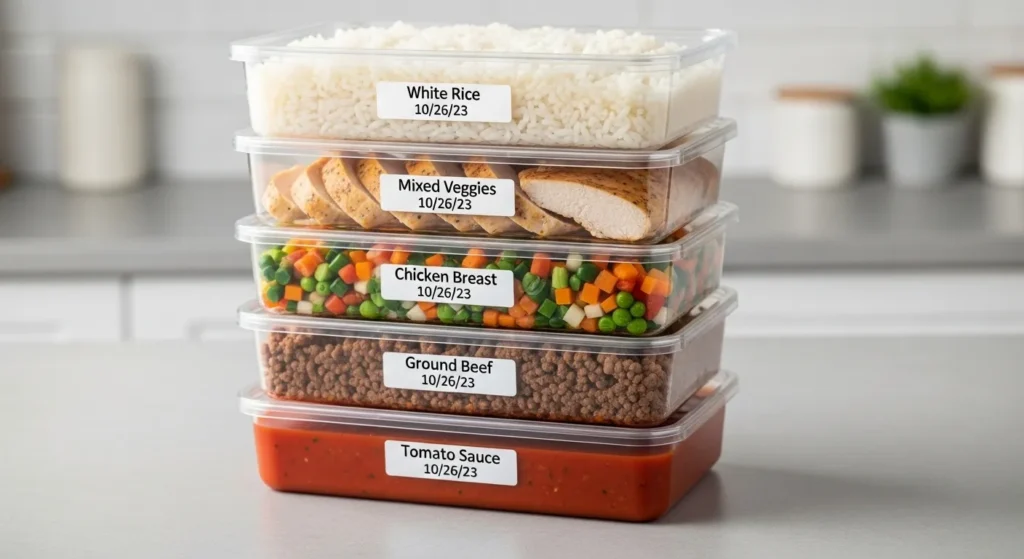
- Label and date: Write the prep date or “use by” date on containers to track freshness.
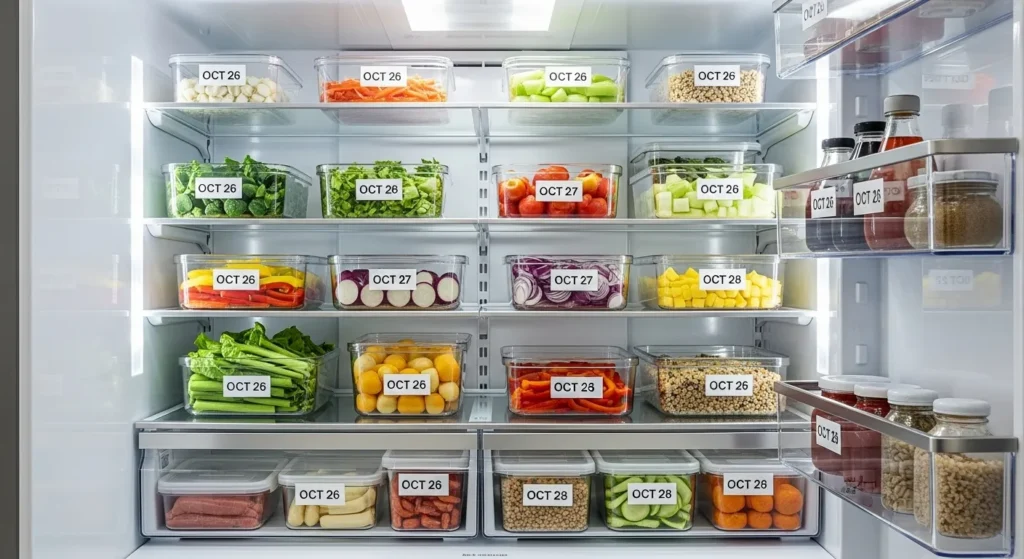
How Long Do Leftovers Last in the Fridge?
Most leftovers stay safe for 3-4 days in the fridge at 41°F or below. Some foods last longer, while others need quicker use. Below is a detailed guide based on common foods.
General Guidelines for Leftovers
- Cooked meats (chicken, beef, pork): 3-4 days
- Cooked fish and seafood: 3-4 days
- Cooked grains (rice, pasta): 3-7 days
- Cooked vegetables: 3-7 days
- Soups and stews: 3-4 days
- Egg dishes: 3-4 days
- Deli meats and salads (tuna, chicken, macaroni): 3-5 days
- Hard-cooked eggs: Up to 1 week
- Fresh eggs in shell: 3-5 weeks
- Mayonnaise (opened, commercial): 2 months
For more specific times, check resources like FoodSafety.gov or the FoodKeeper app.
Freezing Leftovers for Longer Storage
If you can’t eat leftovers within 4 days, freeze them. Most foods stay safe indefinitely in the freezer at 0°F, but quality drops after a few months. Here’s how long frozen leftovers maintain best quality:
- Cooked meats: 2-6 months
- Cooked fish: 4-6 months
- Soups and stews: 2-3 months
- Cooked grains: 1-2 months
- Vegetables: 8-12 months
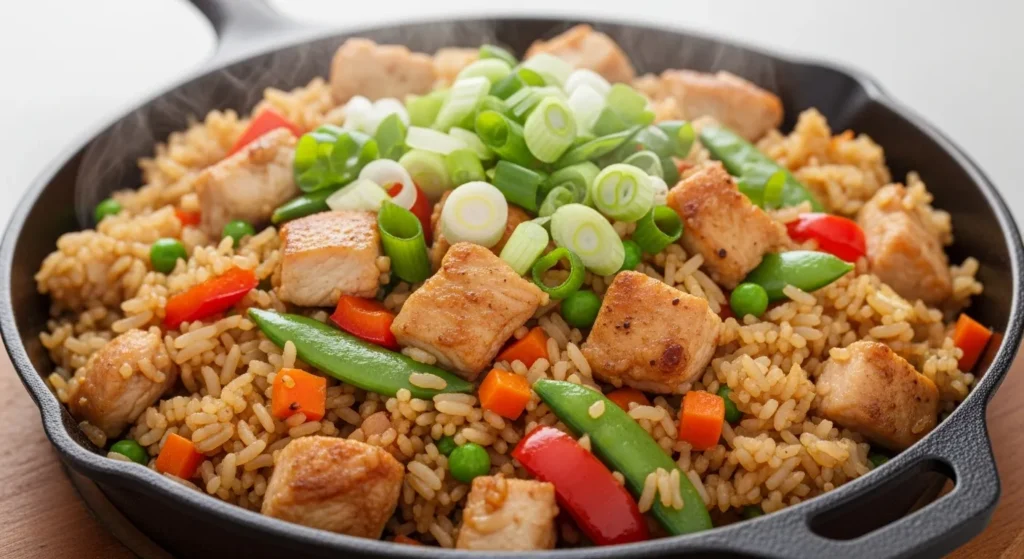
Sample Recipe: Quick Leftover Chicken Fried Rice
Turn your leftover chicken into a fast, flavorful meal. This recipe uses leftover rice and chicken, perfect for a weeknight dinner.
Prep Time: 10 minutes
Cook Time: 15 minutes
Total Time: 25 minutes
Servings: 4
Ingredients
- 2 cups leftover cooked rice (preferably day-old)
- 1 cup leftover cooked chicken, diced
- 1 cup frozen mixed vegetables (peas, carrots, corn)
- 2 large eggs, beaten
- 2 tablespoons soy sauce
- 1 tablespoon sesame oil
- 2 green onions, chopped
- 2 cloves garlic, minced
- 2 tablespoons vegetable oil
- Salt and pepper to taste
Instructions
- Prep ingredients: Dice leftover chicken and chop green onions. Set aside.
- Heat oil: In a large skillet, heat vegetable oil over medium-high heat.
- Cook garlic: Add minced garlic and cook for 30 seconds until fragrant.
- Scramble eggs: Pour in beaten eggs and scramble until just set. Remove to a plate.
- Cook vegetables: Add frozen vegetables to the skillet. Cook for 3-4 minutes until thawed.
- Add rice and chicken: Stir in leftover rice and chicken. Cook for 5 minutes, stirring often.
- Season: Add soy sauce, sesame oil, salt, and pepper. Stir well.
- Combine: Return eggs to the skillet. Add green onions and stir for 1-2 minutes.
- Serve: Serve hot, garnished with extra green onions if desired.
Substitution Ideas
- Rice: Swap white rice for brown rice or quinoa.
- Chicken: Use leftover turkey, pork, or tofu for a vegetarian option.
- Vegetables: Try bell peppers, broccoli, or snap peas.
- Soy sauce: Use tamari for gluten-free or coconut aminos for a lighter flavor.
Storage and Make-Ahead Tips
- Refrigerate: Store fried rice in an airtight container for up to 4 days.
- Freeze: Freeze in portioned containers for up to 2 months. Use freezer-safe bags to save space.
- Make-ahead: Prep vegetables and dice chicken a day ahead. Store separately in the fridge.
- Reheat: Reheat to 165°F in a skillet or microwave. Add a splash of water to keep rice moist.
Serving Suggestions
- Pair with a side of Garlic Roasted Broccoli and Cauliflower for a balanced meal.
- Serve with a 5-Minute Green Smoothie for a refreshing drink.
- Add a drizzle of sriracha or a fried egg on top for extra flavor.
Tips and Variations
- Check for spoilage: If leftovers smell off, look slimy, or have mold, toss them. Trust your senses.
- Cool quickly: Use an ice bath for soups or stews before refrigerating to speed cooling.
- Avoid cross-contamination: Store leftovers above raw meats in the fridge to prevent drips.
- Variation: Turn leftover rice into a Quick Korean Beef Bulgogi Bowl for a different flavor profile.
- Meal prep: Batch-cook recipes like Sheet Pan Chicken Fajitas and store in portions for easy reheating.
Frequently Asked Questions
How can I tell if leftovers are spoiled?
Look for changes in smell, texture, or appearance. If it smells sour or looks slimy, discard it.
Can I freeze all leftovers?
Most foods freeze well, but avoid freezing mayonnaise, lettuce, or creamy desserts, as they lose texture.
How do I reheat leftovers safely?
Reheat to 165°F, stirring to ensure even heating. Use a microwave-safe dish or skillet, not takeout containers.
What’s the best way to organize my fridge?
Store leftovers on the top shelf, away from raw meats. Use clear containers to see contents easily.
By following these tips, you can enjoy leftovers safely and reduce food waste. Try repurposing leftovers into new dishes like Quick 20-Minute Chicken Stir-Fry to keep meals fresh and fun. For more meal ideas, visit TasteCraft.site.