Umami is a savory taste. It makes food taste meaty and rich. You find it in cheese, tomatoes, and mushrooms. This guide covers what umami means. It lists common foods with umami. It shows how to use it in meals. Try a simple recipe to taste umami at home.
I recall my first real umami moment. I bit into a ripe tomato from my garden. The flavor hit me hard. It was not just sweet or sour. It felt full and satisfying. That sparked my interest in this taste.
What Is Umami?
Umami is one of five basic tastes. The others are sweet, sour, salty, and bitter. It gives a savory feel. Think of broth or cooked meat.
The word umami comes from Japanese. It means pleasant savory taste. Your tongue has special spots for umami. They sense amino acids like glutamate.
Umami tells your body about protein in food. It starts saliva flow. It helps digestion. People like umami because it makes meals more filling.
Is umami the same as MSG? No. MSG is a form of glutamate. It adds umami. But umami happens naturally in many foods. MSG is safe for most people. Some feel side effects like headaches.
History of Umami
A Japanese scientist found umami in 1908. His name was Kikunae Ikeda. He studied kelp broth. He pulled out glutamate.
For years, people knew four tastes. In the 1980s, studies proved umami as the fifth. Now, cooks use umami to boost flavors.
Foods Rich in Umami
Umami shows up in animal and plant foods. It grows stronger with aging or fermenting.
Here are common sources:
- Meats and Seafood: Beef, pork, salmon, and anchovies have glutamate and inosinate.
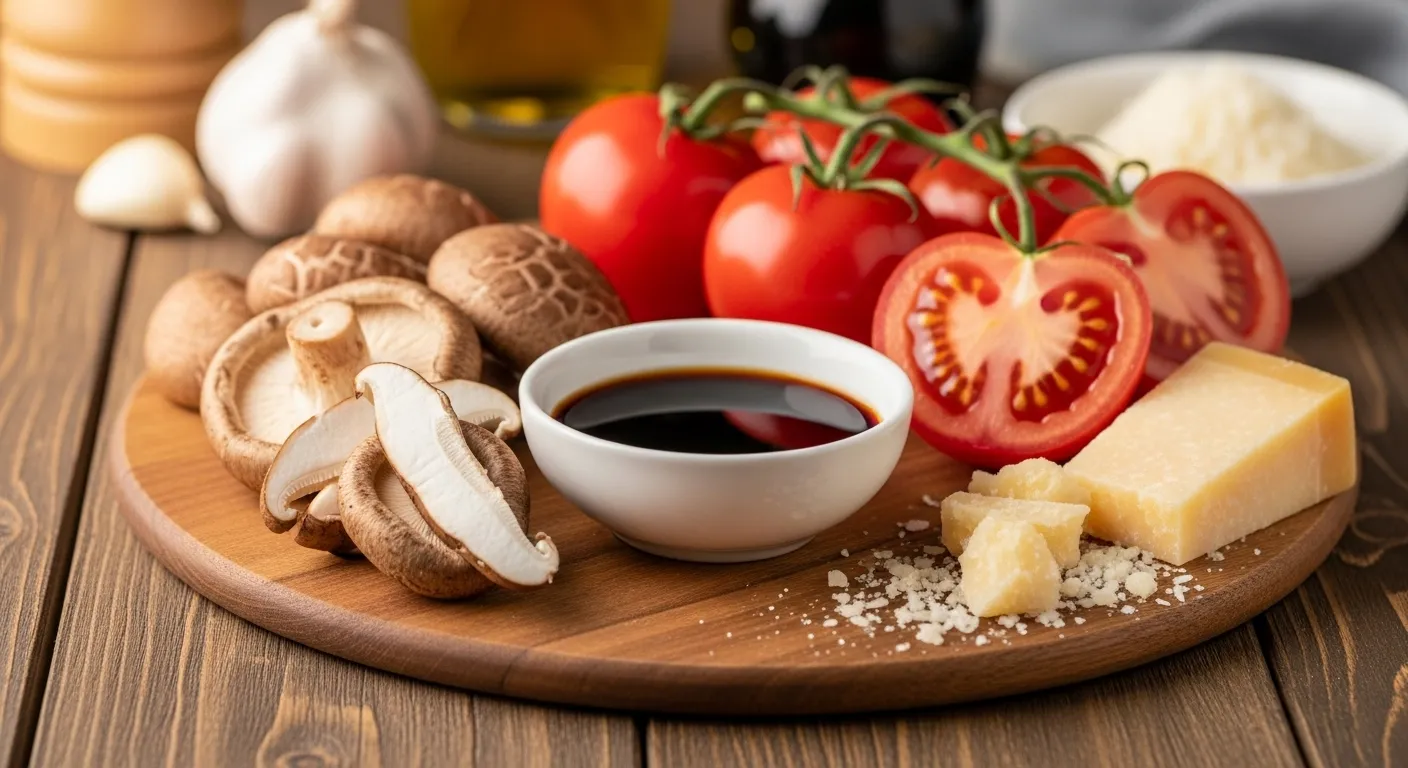
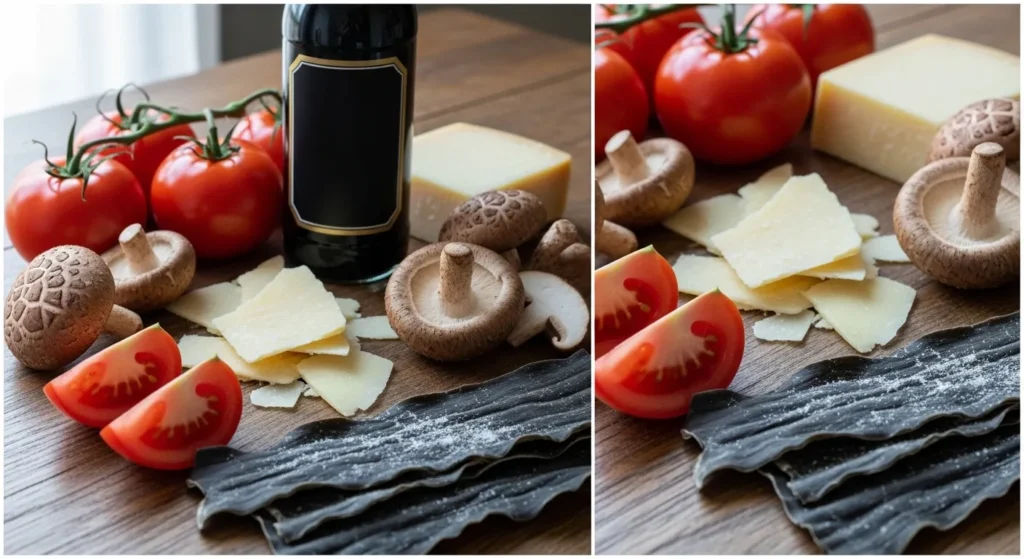
- Vegetables: Tomatoes, mushrooms, garlic, and potatoes offer natural umami.
- Cheeses: Aged types like Parmesan break down into glutamate.
- Fermented Items: Soy sauce, miso, and kimchi build umami through process.
- Seaweeds: Kombu and nori add deep flavor to broths.
- Other: Green tea, corn, and peas carry mild umami.
Dried foods like shiitake mushrooms pack more umami. Ripening boosts it in tomatoes.
For health, pick plant sources. They cut salt needs. Umami can help control weight by making you feel full.
How to Add Umami to Your Meals
Mix umami foods for better taste. Use less salt. Pair with other tastes for balance.
Tips:
- Add soy sauce to stir-fries.
- Grate cheese on salads.
- Use mushrooms in soups.
- Toss tomatoes in pasta.
Check our easy Thai green curry chicken recipe for umami from fish sauce.
Or try our authentic Italian pasta sauce recipe with tomatoes.
For more ideas, see homemade sushi rolls for beginners using seaweed.
Learn more from the Umami Information Center.
Quick 20-Minute Umami Mushroom Stir-Fry Recipe
This dish shows umami in action. Mushrooms and soy sauce create that savory hit.
Prep Time: 5 minutes Cook Time: 15 minutes Total Time: 20 minutes Servings: 4
Ingredients
- 1 pound fresh shiitake mushrooms, sliced
- 2 tablespoons soy sauce
- 1 tablespoon vegetable oil
- 2 cloves garlic, minced
- 1 teaspoon grated ginger
- 1 green onion, chopped
- 1/2 teaspoon sesame oil
Instructions
- Heat vegetable oil in a pan over medium heat.
- Add garlic and ginger. Cook for 1 minute until fragrant.
- Add sliced mushrooms. Stir for 10 minutes until soft.
- Pour in soy sauce. Mix well for 2 minutes.
- Drizzle sesame oil. Top with green onion.
- Serve hot.

Tips and Variations
Cook mushrooms dry first to pull out water. This builds umami. Vary with added tomatoes for acid balance. For spice, mix in chili flakes.
Substitution Ideas
Use button mushrooms if shiitake are not available. Swap soy sauce with tamari for gluten-free.
Storage or Make-Ahead Tips
Store in fridge up to 3 days. Reheat in pan. Make ahead: Prep mushrooms and garlic early.
Serving Suggestions
Serve over rice. Pair with steamed greens.