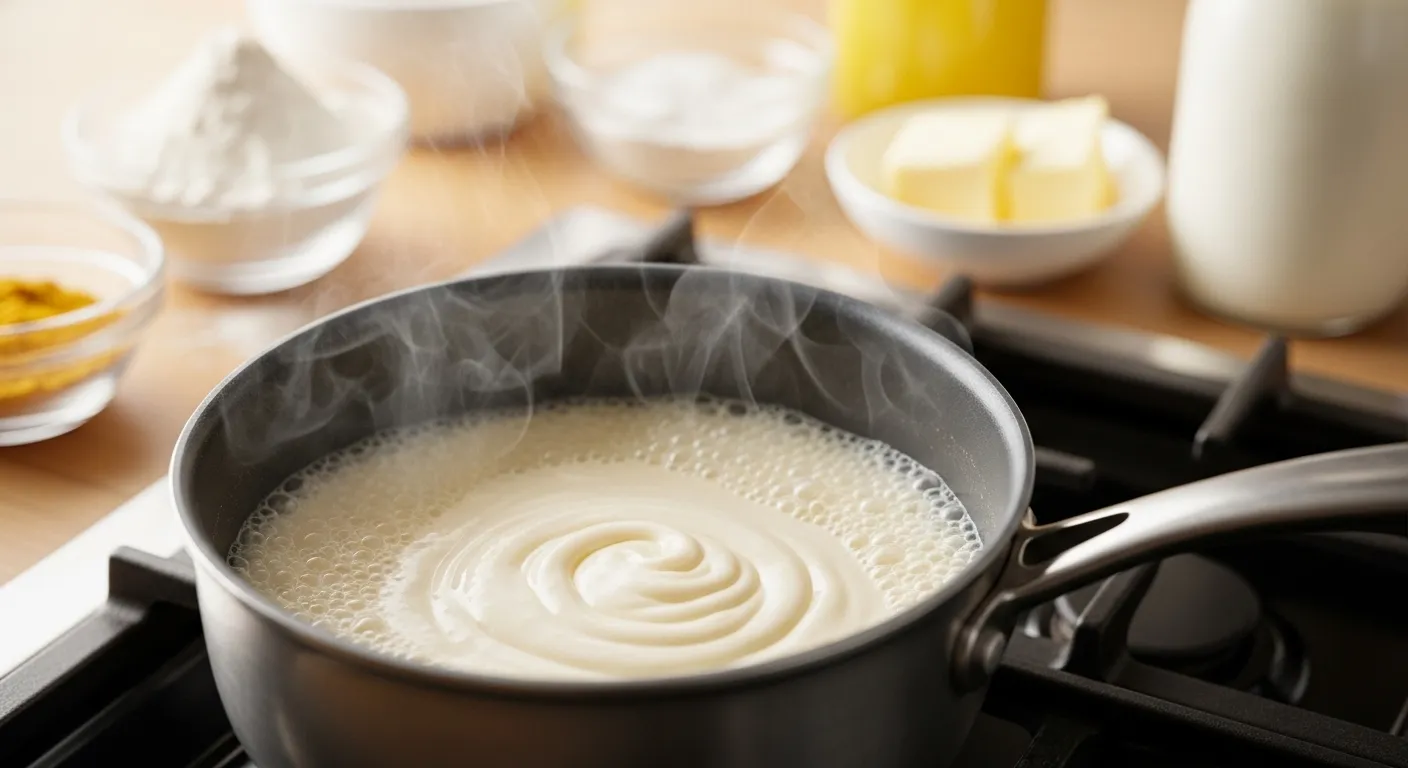
I recall my grandma’s kitchen on Sunday afternoons. She stirred gravy on the stove. It started thin. Heat made it thick and smooth. That moment sparked my curiosity about sauces.
Sauces thicken during cooking due to changes in their parts. Starches swell with heat and water. Proteins bind together. Water evaporates in reductions. These create viscosity and texture. This helps sauces stick to food. It improves mouthfeel.
The Science of Sauce Thickening
Sauces often use starches, proteins, or fats. Heat alters them.
Role of Starches
Starches come from flour or cornstarch. They sit in granules. Heat lets water enter. Granules swell and burst. This forms a gel network. The sauce gets thick. Wheat flour has about 75% starch. Cornstarch has more at 92%.
Protein Coagulation
Proteins in eggs or gelatin coil up when cool. Heat unfolds them. They link as they cool. This traps liquid. Jello sets this way. Egg-based sauces like hollandaise thicken similarly.
Reductions and Evaporation
Boil sauces to remove water. Less liquid means thicker result. Flavors get stronger. Meat stocks reduce to glace. No added thickeners needed.
Emulsions and Suspensions
Emulsions mix fats and liquids. Whisking binds them. Butter in beurre blanc adds body. Suspensions blend purees. Tomato sauce thickens from blended solids.
Why do sauces thicken as they cool? Proteins entangle more. Starches set firmer. Fats solidify.
Common Thickening Methods
- Roux: Equal fat and flour cooked together. Add to liquid. Thickens as it simmers.
- Slurry: Starch mixed with cold water. Stir into hot sauce. Boil to activate.
- Beurre Manie: Knead butter and flour. Add bits to sauce. Melts and thickens.
- Egg Liaison: Temper eggs with hot liquid. Adds creaminess without curdling.
- Dairy Reduction: Boil cream to concentrate fats.
Choose based on sauce type. Starches suit gravies. Eggs work for custards.
Easy Basic White Sauce Recipe
This béchamel shows starch thickening. Use it for mac and cheese or lasagna.
Prep Time: 5 minutes Cook Time: 10 minutes Total Time: 15 minutes Servings: 4 (about 2 cups)
Ingredients
- 2 tablespoons butter
- 2 tablespoons all-purpose flour
- 2 cups milk
- Salt to taste
- Pepper to taste
- Pinch of nutmeg (optional)
Instructions
- Melt butter in a saucepan over medium heat.
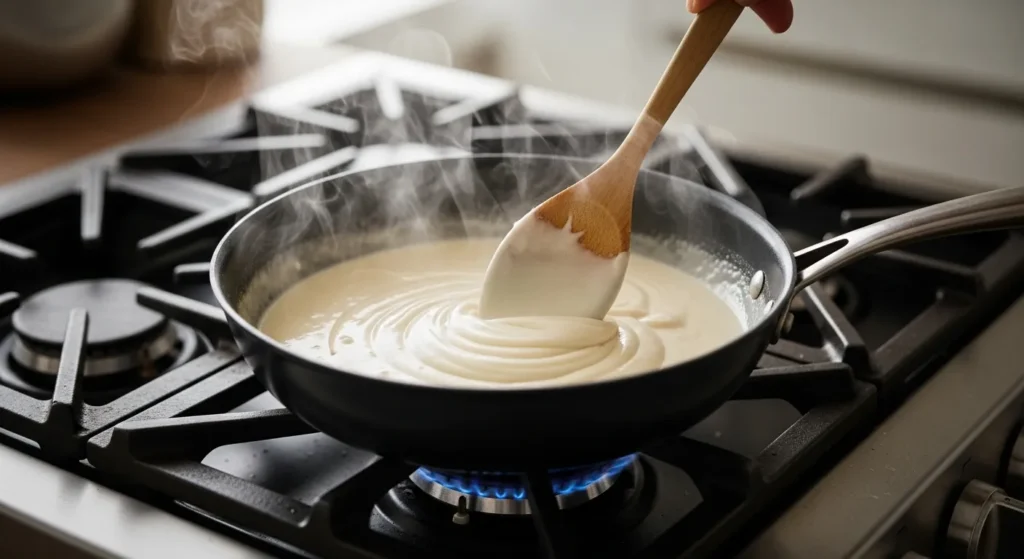
- Add flour. Stir for 2 minutes to make a roux. It turns pale gold.
- Pour in milk slowly. Whisk to avoid lumps.
- Bring to a simmer. Stir until thick. This takes 5-7 minutes.
- Season with salt, pepper, and nutmeg.
- Remove from heat. Use right away or cool.
For more pasta ideas, check our authentic Italian pasta sauce recipe or homemade mac and cheese recipe.
Tips and Variations
- Stir constantly to prevent lumps.
- Cook roux longer for nutty flavor.
- Add cheese for mornay sauce.
- Use broth instead of milk for velouté.
- For gluten-free, swap flour with cornstarch. Use half the amount.
Why thin sauces stay runny? Not enough heat or thickener. Reduce longer or add slurry.
Substitution Ideas
- Butter: Use oil for dairy-free.
- Milk: Almond milk works. It thins less.
- Flour: Arrowroot for clear sauces. Mix 1 teaspoon per cup liquid.
- Nutmeg: Skip or use garlic powder for savory twist.
Storage and Make-Ahead Tips
Store in airtight container. Refrigerate up to 3 days. Reheat on low heat. Add milk if too thick. Freeze in portions for 1 month. Thaw overnight. Whisk while warming.
Make ahead: Prepare roux base. Store dry. Add liquid when needed.
Serving Suggestions
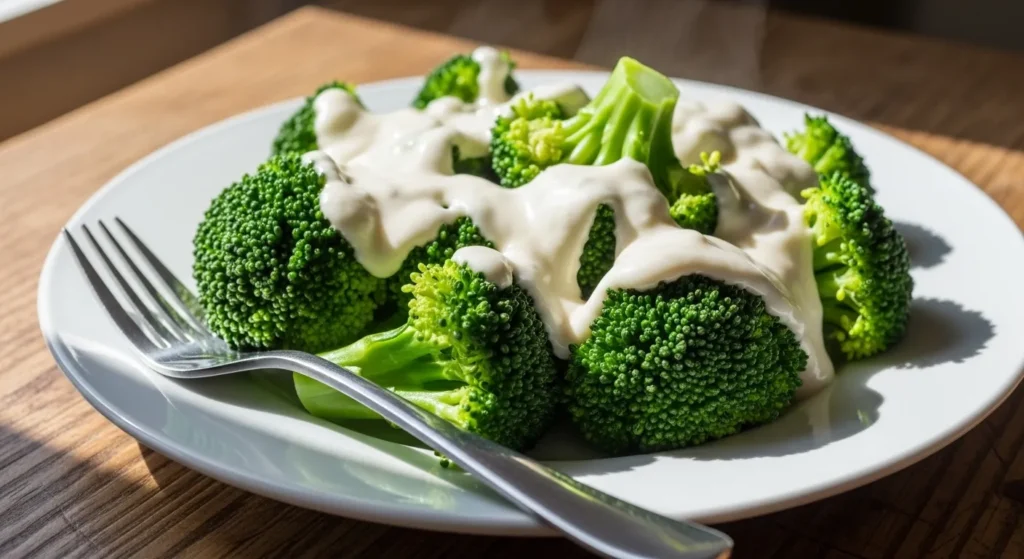
Drizzle over vegetables. Mix with pasta. Base for casseroles. Pair with chicken from our easy chicken alfredo recipe. Serve warm.
For more on thickening, see this guide from Allrecipes.