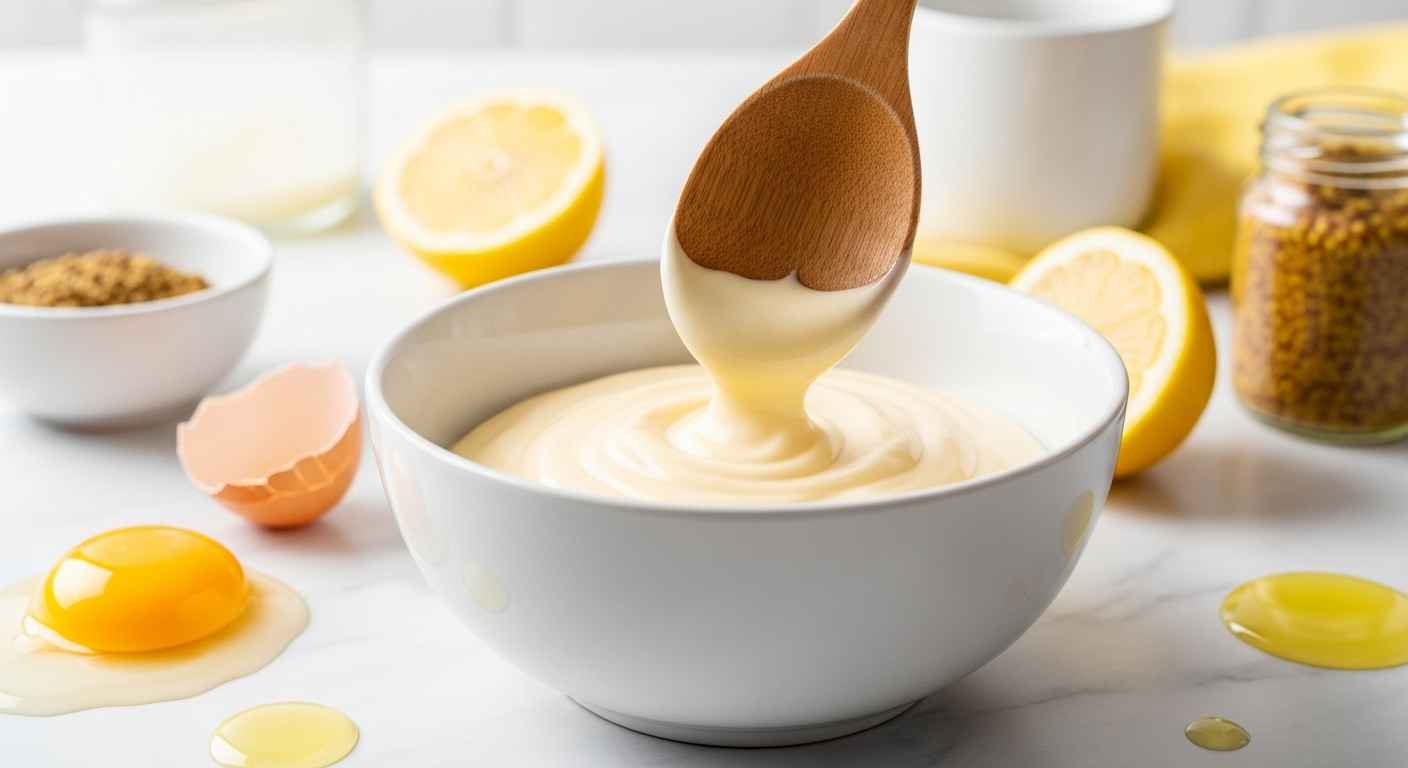
An emulsion in cooking blends two liquids that don’t mix naturally, like oil and water. They separate quickly without help. An emulsifier and proper mixing keep them together, creating smooth sauces like mayonnaise or vinaigrette. I learned this the hard way when I rushed my first mayonnaise and ended up with a split mess. Patience is key. Below, we’ll cover what emulsions are, how they work, and a simple recipe to try it yourself.
Types of Emulsions
Emulsions come in three types, each with unique traits.
- Temporary: Short-lived, like oil and vinegar dressing. Shake it, use it fast, or it separates.
- Semi-permanent: Lasts longer but may split, like hollandaise sauce. Needs careful heat control.
- Permanent: Stays stable for days, like mayonnaise. Egg yolks make it thick.
How Emulsions Work
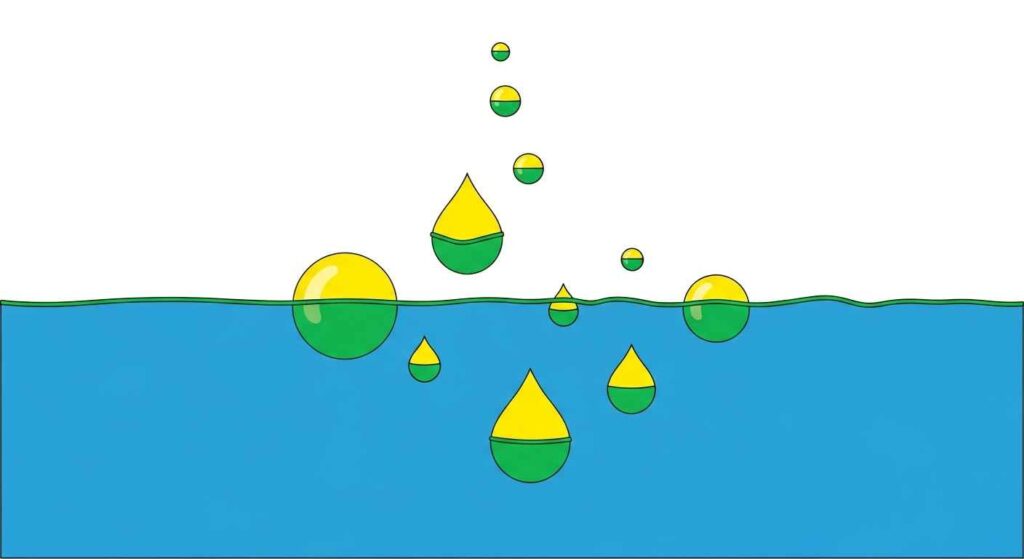
Oil and water repel each other. They’re immiscible. To mix them, break one into tiny droplets and spread them in the other liquid. An emulsifier coats these droplets, preventing them from merging back. Whisk or blend with steady force. Add oil slowly in a thin stream for small, stable droplets. Temperature matters—too cold slows mixing, too hot breaks it.
Common Emulsifiers in Your Kitchen
Emulsifiers connect oil and water. They have parts that bond with each. Here’s what you likely have.
- Egg yolks: Lecithin in yolks binds mayonnaise.
- Mustard: Adds flavor and stabilizes dressings.
- Honey: Sweetens and holds vinaigrettes.
- Garlic paste: Boosts flavor in some sauces.
Want to use emulsions in sauces? Try our authentic Italian pasta sauce recipe.
Examples of Emulsions in Everyday Cooking
Emulsions create creamy textures in many dishes.
- Salad dressings: Oil, vinegar, and mustard combine.
- Sauces: Hollandaise for eggs or beurre blanc for fish.
- Other foods: Milk, butter, chocolate, even sausages.
Readers often ask: Why is milk an emulsion? Fat droplets stay suspended in water naturally. Or, why does dressing separate? It lacks enough emulsifier or mixing. Related searches include fixing broken sauces or emulsions in baking. For a cheesy emulsion, try our easy chicken alfredo recipe.
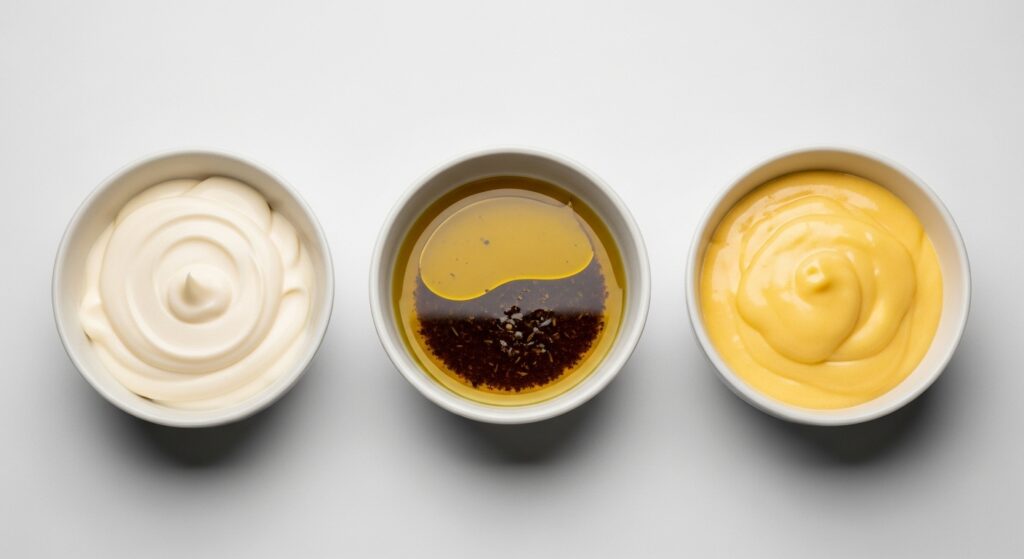
How to Make a Basic Emulsion: Simple Homemade Mayonnaise Recipe
Try making mayonnaise to master emulsions. It’s permanent and tastes fresher than store-bought.
Prep Time: 5 minutes
Cook Time: 0 minutes
Total Time: 5 minutes
Servings: 8 (about 1 cup)
Ingredients
- 1 egg yolk
- 1 teaspoon mustard
- 1 teaspoon lemon juice
- 1 cup neutral oil (like vegetable)
- Salt to taste
Instructions
- Combine egg yolk, mustard, lemon juice, and a pinch of salt in a bowl.
- Whisk until smooth.
- Add oil one drop at a time, whisking constantly.
- Slowly pour oil in a thin stream as it thickens.
- Stop when it’s creamy and thick.
- Adjust salt or lemon to taste.
Tips and Variations
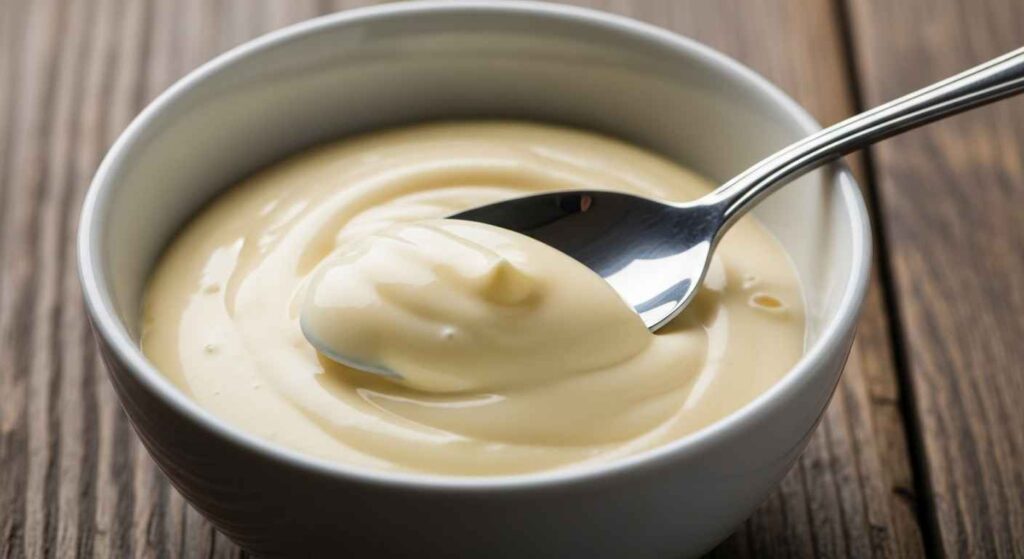
Improve your emulsion with these tips.
- Whisk in one place to stay steady.
- Use room-temperature ingredients to avoid splitting.
- Add garlic for aioli or herbs for flavor.
- Fix a broken emulsion by whisking it into a new yolk.
Readers search for fixing broken emulsions. A teaspoon of water can help rebind it.
Substitutions, Storage, and Serving Suggestions
Need alternatives? Try these.
- No egg? Use aquafaba for a vegan option.
- Out of lemon juice? White vinegar works.
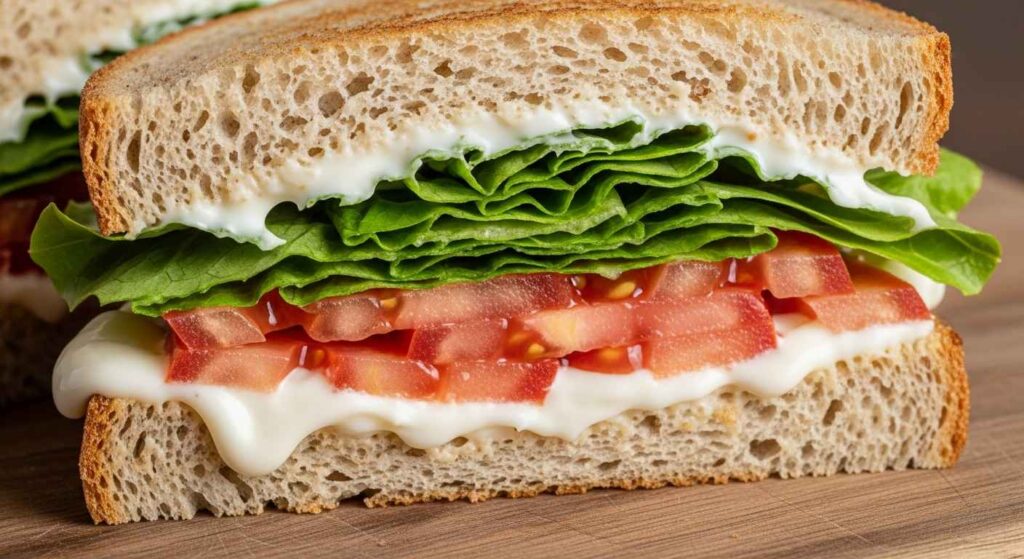
Store in a fridge-safe jar for up to one week. Freezing breaks it. Make ahead for quick sandwich spreads. Serve on burgers, in salads, or with fries. It pairs great with our spicy black bean burgers or homemade hash browns.
Emulsions make simple ingredients shine. Now you can create your own. Try it and elevate your cooking!