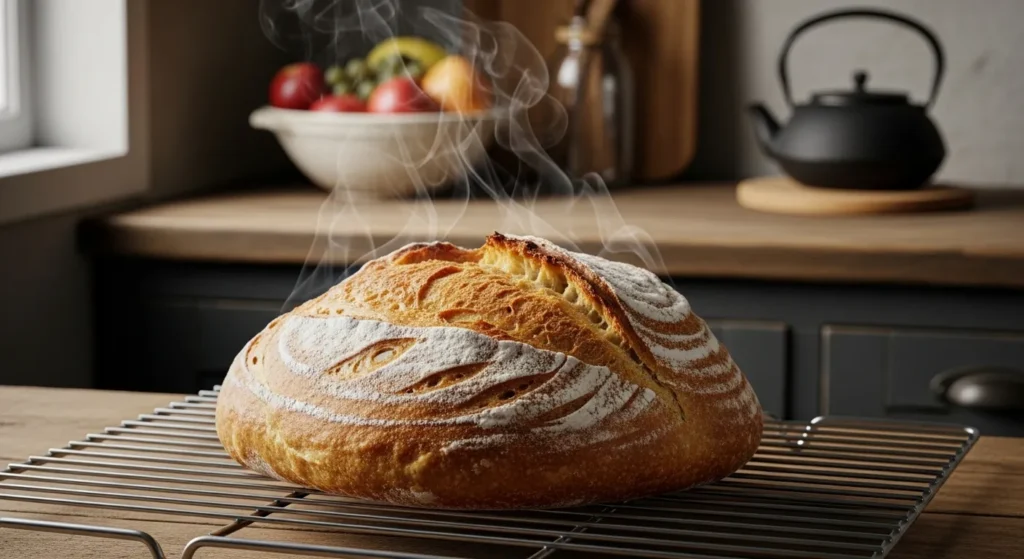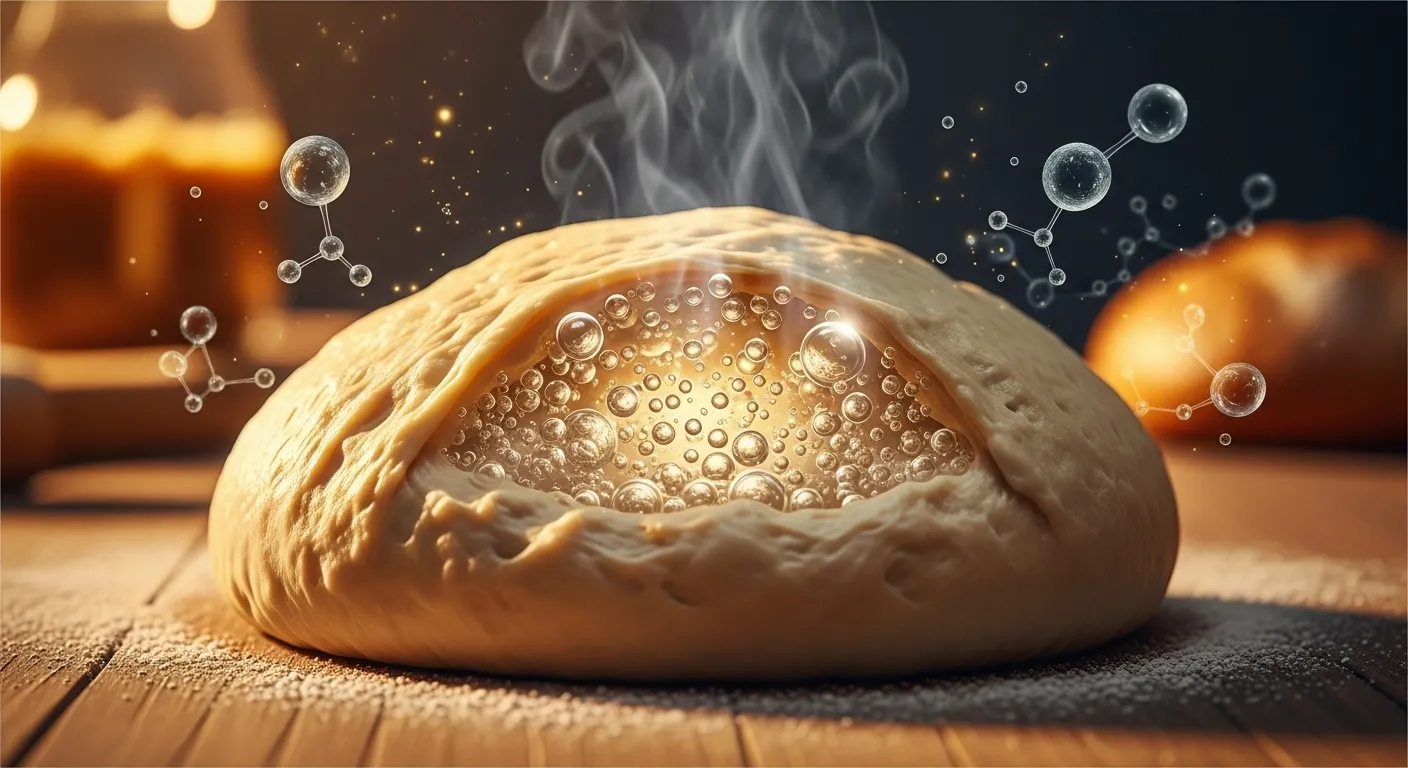
Fermentation turns simple dough into light, tasty bread. Yeast eats sugars in flour. It makes carbon dioxide gas. This gas makes the dough expand. It also creates flavors that improve with time. In this guide, you learn the basics. You see how it works. Then try a basic recipe.
I remember my first loaf. The dough sat there. It did not rise. I felt frustrated. Later, I read about yeast needs. Warmth and time helped. Now, my bread comes out right each time.
What Is Fermentation in Bread Making?
Fermentation is a process. Yeast and bacteria change sugars. They make gas and alcohol. This happens without oxygen. In bread, it starts after mixing.
Carbon dioxide bubbles form. They get trapped in gluten. Gluten is the protein web in dough. This web holds the gas. The dough grows bigger.
Bacteria add sour notes. This happens in sourdough. Fermentation also breaks down starches. It makes bread easier to digest.
For more on sourdough uses, check our easy sourdough discard cinnamon rolls recipe.
How Yeast Works During Fermentation
Yeast is a tiny fungus. The main type is Saccharomyces cerevisiae. It lives in commercial yeast packets.
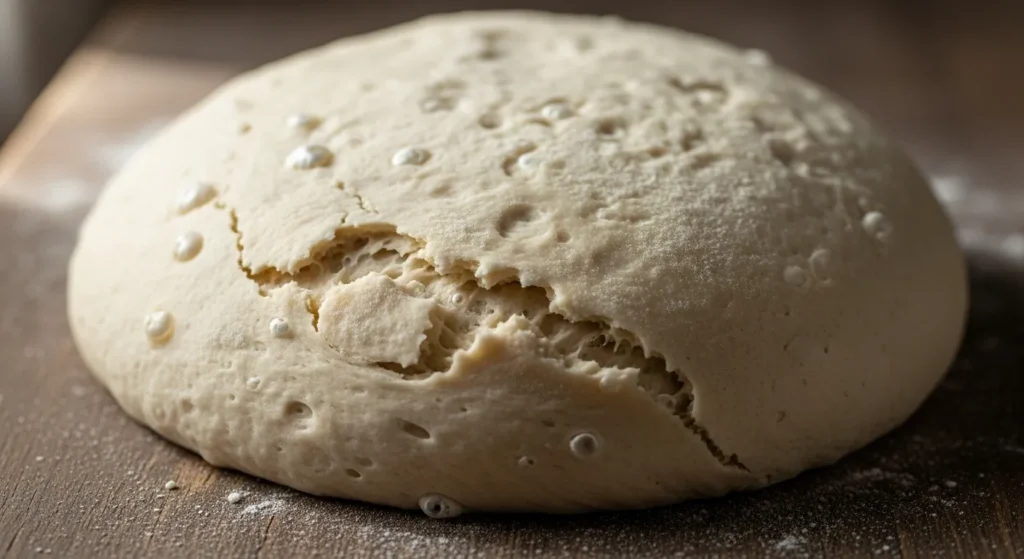
Yeast finds sugars in flour. Flour has starches. Enzymes turn starches to sugars first. Yeast eats these sugars. It gives off energy. Waste products are carbon dioxide and ethanol.
Carbon dioxide makes bread airy. Ethanol adds mild taste. It bakes away later. Other compounds build flavor. Longer time means more taste.
Yeast works in two ways. First, with oxygen. It grows cells. Then, without oxygen. It makes gas. This switch happens in bulk fermentation.
Learn more about yeast types from Lesaffre’s guide.
Stages of Fermentation in Bread Making
Fermentation has clear steps. Each builds on the last.
Bulk Fermentation
This is the first rise. The whole dough rests. It takes 1 to 2 hours at room temperature. Yeast multiplies. Gas fills the dough. Fold the dough once or twice. This strengthens gluten.
Shaping and Final Proof
Shape the dough into loaves. Let it rest again. This is proofing. It lasts 30 minutes to 1 hour. Or chill overnight for better flavor. The loaf should almost double.
Baking
Heat kills yeast. Gas expands fast. This is oven spring. The loaf rises more in the oven.
Themes from searches show these stages trap gas for holes in bread. Why do holes form? Gas bubbles stretch the gluten.
For bread storage after baking, see our best bread storage tips for freshness.
Factors That Affect Fermentation
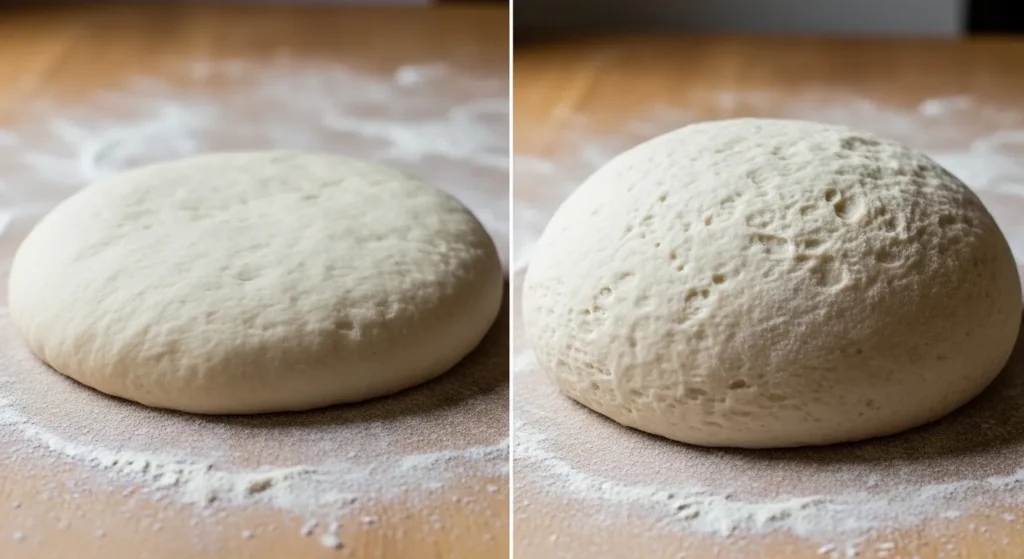
Temperature matters most. Warm room speeds it up. Cool slows it down. Aim for 75°F to 80°F. Too hot kills yeast.
Yeast amount changes speed. More yeast means faster rise. Salt slows it. It protects yeast from too much activity.
Sugar feeds yeast. But too much slows things. Water hydrates flour. It helps enzymes work.
Humidity keeps dough from drying. Cover it during rest.
People often ask: Does longer fermentation mean better bread? Yes. It builds more flavor compounds. But watch for overproofing. The dough deflates if too long.
Related questions cover slowing fermentation for taste. Cold fridge works well.
Simple Basic Yeast Bread Recipe to Try Fermentation
This recipe shows fermentation at work. It makes one loaf. Prep time: 20 minutes. Rise time: 2 hours. Bake time: 30 minutes. Total time: 2 hours 50 minutes. Servings: 8 slices.
Ingredients
- 3 cups all-purpose flour
- 1 packet active dry yeast (2 1/4 teaspoons)
- 1 cup warm water (about 110°F)
- 2 tablespoons sugar
- 1 teaspoon salt
- 2 tablespoons olive oil
Instructions
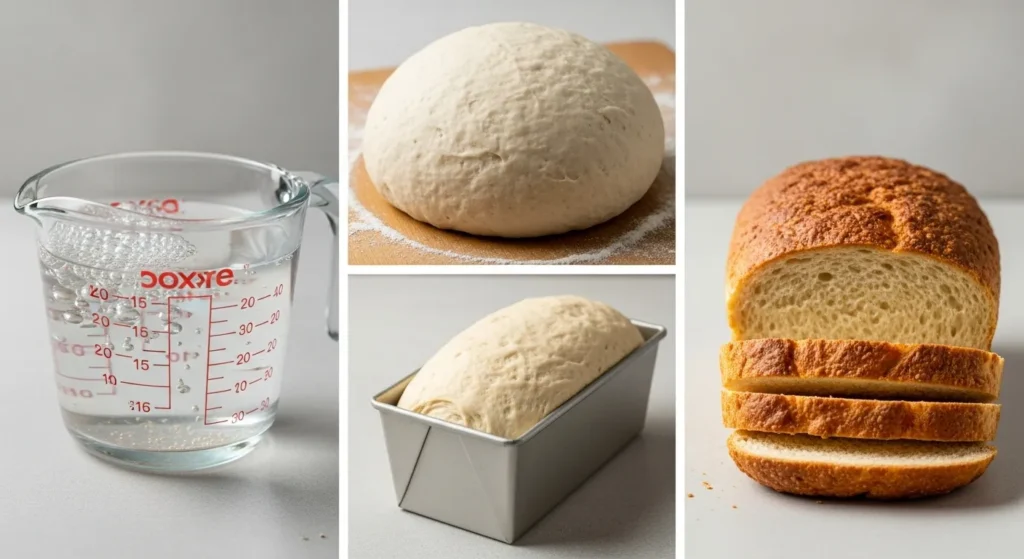
- Mix warm water, sugar, and yeast in a bowl. Let sit 5 minutes. Bubbles show yeast wakes up.
- Add 1 cup flour, salt, and oil. Stir well.
- Add remaining flour bit by bit. Knead on a surface for 5 minutes. Dough should be smooth.
- Place in greased bowl. Cover with cloth. Let rise in warm spot 1 hour. It doubles.
- Punch down dough. Shape into loaf. Put in greased pan.
- Cover again. Let rise 45-60 minutes. It doubles once more.
- Preheat oven to 375°F. Bake 25-30 minutes. Top sounds hollow when tapped.
- Cool on rack.
This lets you see gas bubbles form. Taste the difference from short rises.
Substitution Ideas
Use bread flour for chewier texture. It has more gluten. Swap honey for sugar. It adds moisture. For whole wheat, use half white flour. It ferments slower.
No yeast? Try our flaky pie crust recipe for non-yeasted baking ideas. Or link to vegan options like vegan avocado chocolate mousse recipe.
Storage and Make-Ahead Tips
Store bread in a paper bag at room temp for 2 days. It stays crusty. Freeze slices in bags up to 3 months. Thaw at room temp.
Make dough ahead. Do bulk ferment in fridge overnight. Shape next day. For more, read how long do leftovers last in fridge or best way to store fresh herbs for ingredient care.
Serving Suggestions
Slice thick for toast. Add butter. Or make sandwiches. Pair with soups like our best chili recipe. Grill slices for French toast.
Tips and Variations
Test dough rise with finger poke. It springs back slow when ready. For sourdough twist, add starter. It brings bacteria flavors.
Vary with herbs. Knead in rosemary. For sweeter, add cinnamon like in 25-minute soft chewy chocolate chip cookies, but for bread.
Watch temperature. Use thermometer for water. This prevents yeast death.
For deep science, see BAKERpedia on fermentation.